Top Tower Crane Types for Global Buyers What to Consider?
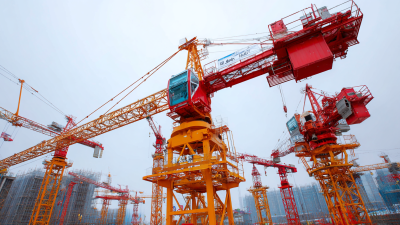
When it comes to construction projects, Tower Cranes play a vital role. They are essential for lifting heavy materials with precision. Choosing the right type of Tower Crane can significantly impact efficiency and safety on site. Global buyers face challenges in selecting the best options for various projects. Each type has unique features tailored for specific needs.
Understanding the different Tower Crane types is crucial. Factors such as load capacity, height, and mobility influence decision-making. The market offers a range of options, from top-slewing to flat-top cranes. Each type comes with advantages and drawbacks. Some may require deep foundations, while others might be limited in height.
Buyers must consider their specific project requirements. Not all Tower Cranes are suitable for every construction site. Reflecting on past experiences can aid in making informed choices. Mistakes in selection can lead to delays and increased costs. By weighing the pros and cons, buyers can find the most reliable Tower Crane for their situation.
Overview of Tower Crane Types Available for Global Markets
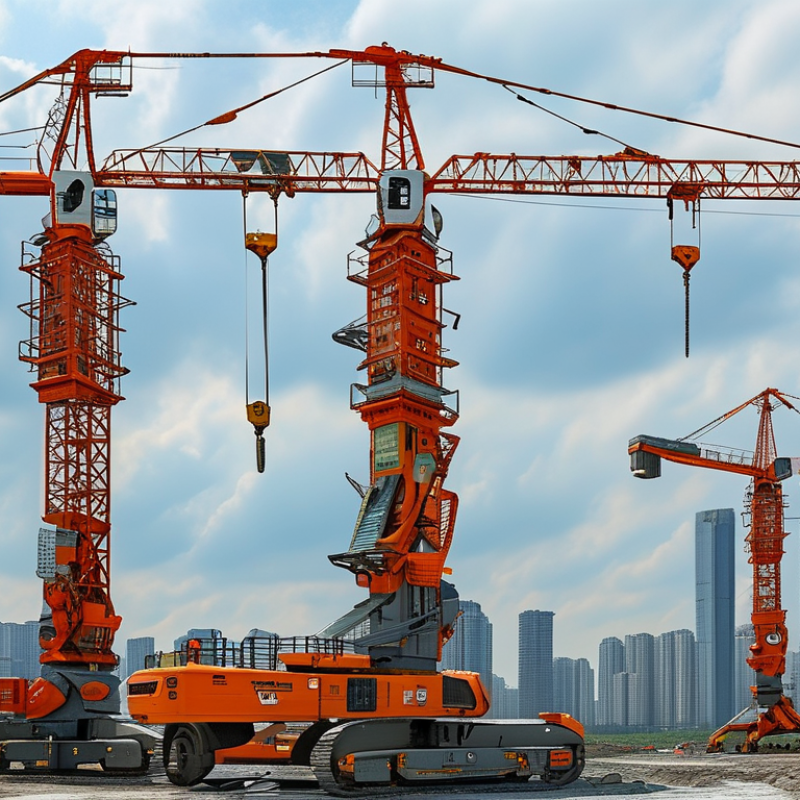
When exploring tower crane types for global markets, several options stand out. There are three primary categories: hammerhead, luffing, and flat-top cranes. Hammerhead cranes are known for their high lifting capacity and radius. They are ideal for projects requiring extensive height and reach. Luffing cranes, on the other hand, excel in tight spaces. Their ability to raise and lower the boom at steep angles reduces the need for extensive swing space. Flat-top cranes are favored for their versatility and ease of assembly, especially in urban environments.
Choosing the right type depends greatly on project requirements. Factors such as site size, height limits, and load capacity must be addressed. For instance, in congested areas, luffing cranes can maneuver easily without obstructing neighboring buildings. Flat-top cranes may also offer a streamlined option for projects needing quick assembly. However, with various advantages, drawbacks do exist. Some cranes may have limited lifting capabilities or require extensive groundwork.
Each type presents unique challenges and benefits. Buyers must consider not just specifications but also operational flexibility. An informed decision involves assessing both immediate needs and future project scenarios. This nuanced approach can lead to more effective crane utilization in diverse environments. Given the fast-paced nature of construction, flexibility can dictate project success.
Key Factors to Consider When Purchasing Tower Cranes
When considering tower cranes, buyers should focus on critical factors that affect both performance and safety. According to a recent report by Grand View Research, the global tower crane market is expected to reach $3.94 billion by 2028, driven by increasing infrastructure projects. Hence, understanding crane specifications is essential. Load capacity, maximum height, and jib length are fundamental metrics. A crane with inadequate capacity may lead to project delays.
Safety features are equally important. Many tower crane accidents stem from operator error or equipment malfunction. A 2021 report from the Occupational Safety and Health Administration (OSHA) highlighted that safety training can reduce accidents by up to 30%. Buyers should evaluate the inclusion of features such as overload protection and quality of safety certifications.
Additionally, terrain and site conditions significantly influence the crane's efficiency. Crane performance can vary in different environmental conditions. For instance, wind speeds can dramatically affect crane stability. It's vital to analyze the project site thoroughly before finalizing the purchase. A poorly matched crane can lead to inefficiencies and higher operational costs. Slight miscalculations in these areas can result in project setbacks and unexpected expenses. Consider all these factors carefully before making a purchase.
Comparative Analysis of Popular Tower Crane Models
When evaluating tower cranes for global projects, it's essential to compare popular models. Recent industry reports show that the demand for tower cranes is expected to grow by approximately 6% annually. Factors like load capacity, height, and mobility play significant roles in selecting the right model.
For instance, the maximum load capacity can vary widely. Some models can lift 10 tons, while others reach up to 50 tons. Understanding the local construction demands is crucial. Sometimes, buyers focus too much on brand reputation, neglecting important features that align with project needs. It’s vital to analyze specifications thoroughly.
Consider the power sources as well. Electric cranes can save costs in urban environments, while diesel options are preferred for remote sites. Always assess the lifting height versus your current and future project needs. Sometimes, a crane may appear cheaper but may not meet long-term reliability, which can lead to increased operational costs.
Be aware of maintenance and support options. Choosing a model with easier access to parts can reduce downtime. It’s not uncommon for operators to overlook this aspect, facing unexpected delays later. Overall, detailed comparisons can lead to informed decisions that align with project timelines and budgets.
Understanding Tower Crane Specifications and Features
When selecting a tower crane, understanding specifications is crucial. Key features include lifting capacity, height, and reach. According to a report by the American Society of Civil Engineers, cranes with higher load capacities are essential for larger construction projects. Many cranes can lift between 10 to 20 tons, while specialized models can exceed this.
The type of tower crane also matters. Hammerhead cranes excel in height and stability. They work well in urban areas where space is tight. Luffing jib cranes are versatile. They can operate in confined spaces and are ideal for high-rise buildings. However, their complexity can lead to increased maintenance challenges.
Buyers should also consider safety features. Automatic shut-off systems and overload sensors are now standard in many crane designs. According to industry data, safety incidents can reduce by over 30% with these features in place. Evaluating these specifications is not just about current projects; it reflects a long-term investment in safety and efficiency. Buyers need to think about their unique project needs and the crane’s adaptability.
Best Practices for Tower Crane Operation and Maintenance
Proper operation and maintenance of tower cranes is crucial for safety and efficiency in construction. According to industry reports, improper crane practices can lead to up to 40% of construction site accidents. Adhering to best practices helps mitigate these risks.
Routine inspections are essential. Regular checks can identify wear and tear, which, if left unaddressed, may lead to catastrophic failures. The industry recommends daily inspections before use, which should include checking controls, hooks, and cables. Minor issues can escalate if ignored, and proactive maintenance can save costs in the long run.
Training operators is equally important. Studies show that well-trained personnel reduce accident rates significantly. An estimated 70% of crane accidents can be traced back to operator error. Investing in comprehensive training programs fosters a safety-first culture. Regular refreshers and up-to-date certifications ensure that operators are familiar with the latest best practices. Thus, while tower cranes are vital for efficiency, their safe operation requires continuous attention and improvement.