2026 Best Tower Cranes for Construction Projects to Consider?
In the dynamic landscape of construction, selecting the right equipment is crucial. Tower cranes play a vital role in project success. According to a report by ResearchAndMarkets, the global tower crane market is projected to reach $5.4 billion by 2027, driven by urbanization and increased construction activity.
When choosing a tower crane, factors such as height, load capacity, and reach must be considered. For instance, a tower crane's maximum lifting capacity can vary significantly, with some models capable of handling over 20 tons. This diversity is essential for catering to different project scales, from small residential buildings to towering skyscrapers.
However, not all tower cranes are created equal. Each project may present unique challenges. Compatibility with site conditions, local regulations, and operational limitations can impact crane performance. Evaluating these aspects ensures a reliable choice for construction needs. As we explore the best tower cranes for 2026, industry insights and technological advancements will guide us to more efficient and effective solutions.

Overview of Tower Cranes and Their Importance in Construction
Tower cranes play a vital role in modern construction projects. Their height and reach allow for efficient movement of heavy materials. According to a report from the International Journal of Engineering & Technology, tower cranes can lift loads ranging from 5 to 20 tons. This versatility makes them essential for skyscrapers, bridges, and large residential complexes.
Understanding the versatility of tower cranes is crucial. They come in various types, including self-erecting and flat-top cranes. Each type serves different project needs. Some reports indicate that improperly selected cranes can lead to safety hazards and project delays. Therefore, assessing site conditions is essential before making a purchase or rental decision.
Tip: Always consult with project managers and engineers. They know the specific needs of your site. A mismatch between crane capacity and the weight of the materials can result in costly mistakes.
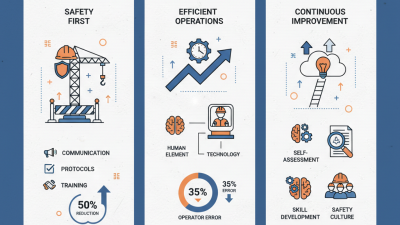
Additionally, safety measures are paramount. The Occupational Safety and Health Administration (OSHA) emphasizes rigorous training and maintenance. Regular inspections help prevent accidents, which can be detrimental to both timelines and budgets. Understanding these requirements ensures a smoother operation, reflecting the importance of doing things right the first time.
Key Features to Consider When Selecting Tower Cranes
When selecting tower cranes for construction projects, several key features are essential. First, consider the crane's load capacity. The right load capacity ensures safety and efficiency. Choose a crane that can lift the heaviest materials on your site. This selection affects project timelines significantly.
Another critical feature is the height and reach of the tower crane. Match the crane's specifications to your project’s vertical and horizontal demands. A crane that lacks sufficient reach can delay the progress. Reflect on your site layout and plan accordingly.
**Tips:** Always assess the crane's stability and base design. A stable crane minimizes accidents. Seek professional opinions when unsure about specifications. Don't let cost alone dictate your choice; safety must come first in every project.
2026 Best Tower Cranes for Construction Projects
| Model |
Max Load Capacity (tons) |
Height (m) |
Boom Length (m) |
Operating Radius (m) |
Key Features |
| TC-1000 |
10 |
50 |
50 |
40 |
Advanced control system |
| TC-2000 |
20 |
70 |
60 |
50 |
High stability |
| TC-3000 |
30 |
80 |
70 |
60 |
Remote operation capability |
| TC-4000 |
40 |
90 |
80 |
70 |
Environmentally friendly |
Top Brands and Models of Tower Cranes for 2026
As the construction industry evolves, selecting the right tower cranes becomes crucial. In 2026, the demand for advanced models is expected to rise significantly. According to a recent market report, the global tower crane market is projected to grow at a CAGR of 5.2% through 2026. This growth is driven by urbanization and the expansion of infrastructure projects.
Several key models dominate the market landscape. Innovative features such as enhanced lifting capacities and improved safety measures are becoming standard. The industry's move toward automation is also notable. Cranes equipped with smart technology can improve efficiency and reduce labor costs. Companies are increasingly valuing these advancements to remain competitive. However, some models still struggle with complex setups and maintenance challenges.
Moreover, reliability remains a pivotal factor in choosing a crane. In many instances, even the best models encounter unforeseen downtime. This highlights the importance of thorough training for operators and maintenance personnel. Investments in operator education can mitigate risks. Effective communication among team members can further enhance safety and performance on-site. Observing all these aspects is essential in making informed decisions in a rapidly changing landscape.
Safety Standards and Regulations for Tower Crane Operation
Safety is paramount in tower crane operations. Every construction team must adhere to strict safety standards. These regulations ensure the well-being of operators and ground workers. Regular inspections play a vital role. They help identify potential issues before they escalate. No detail is too small. A faulty cable or loose bolt can lead to accidents.
Training is another critical aspect. Operators must complete comprehensive safety training. They need to understand the crane's mechanics, load limits, and emergency procedures. However, there can be gaps in training programs. Not all operators grasp the complexities of these machines. This can be a risk to everyone on-site.
Monitoring weather conditions is also essential. High winds or storms can make crane operations hazardous. During inclement weather, cranes should remain idle. Yet, some operators may push the limits. They might not recognize the danger in time. Practicing proactive measures can save lives. Overall, adhering to regulations fosters a safer working environment.
Cost Analysis and Budgeting for Tower Crane Projects
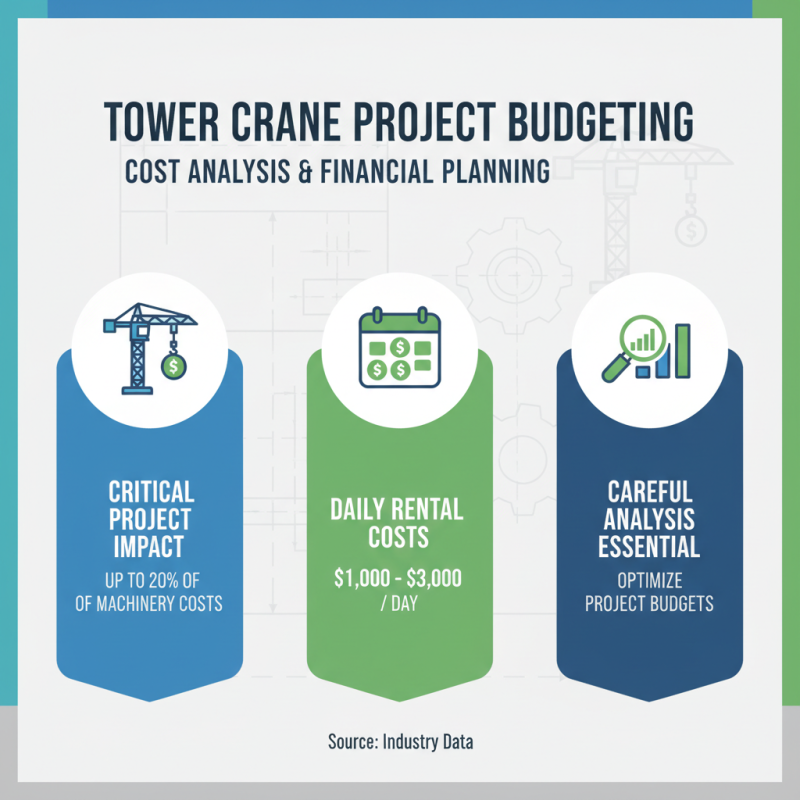
When planning construction projects, budgeting for tower cranes is crucial. Tower cranes can significantly impact a project's overall costs. Industry data suggests that crane rentals can represent up to 20% of a project's machinery expenses. Considering the average daily rental cost for a tower crane ranges from $1,000 to $3,000, careful analysis is essential.
An effective budget must account for not just the rental fees but also associated costs like delivery, assembly, and maintenance. For instance, studies indicate that improper budgeting can lead to unexpected expenses, sometimes increasing overall project costs by 15% or more. Construction managers should seek detailed maintenance schedules and service requirements when planning budgets.
In this complex landscape, some construction firms still overlook the importance of detailed financial forecasting for crane usage. This leads to resource misallocation and workflow disruptions. By conducting thorough market research and leveraging industry reports, project managers can establish more accurate financial projections. Ultimately, investing time in this analysis can lead to more reliable project timelines and, consequently, higher profitability.