Top 5 Tower Crane Tips for Global Buyers to Consider
In the dynamic world of construction, selecting the right Tower Crane can significantly impact project success. Robert McLaughlin, a renowned expert in vertical construction, emphasizes this, stating, "A wise choice of Tower Crane is critical for efficiency and safety on site."
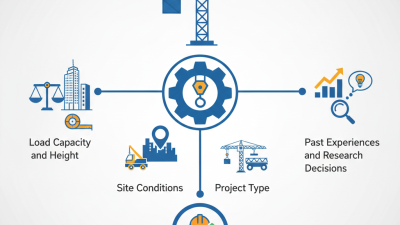
Global buyers face unique challenges when navigating Tower Crane options. With numerous manufacturers and models available, understanding specific project needs becomes vital. Factors like lifting capacity, height, and mobility must be carefully considered. Each project is different, and reflecting on past decisions can help guide future choices.
Engaging with experienced suppliers can provide valuable insights. Their expertise may reveal potential pitfalls and advantages. Remember, the Tower Crane serves as the backbone of construction operations. Making informed, thoughtful decisions can lead to improved productivity and project timelines.
Understanding Tower Crane Types and Their Specifications
Understanding the various types and specifications of tower cranes is crucial for global buyers. Generally, tower cranes fall into two categories: top-slewing and bottom-slewing cranes. Top-slewing cranes offer excellent height and load capacity, often used in large construction projects. Bottom-slewing cranes are more compact and can rotate completely, making them suitable for small sites.
According to industry reports, the global tower crane market is projected to reach USD 10 billion by 2026. This growth is influenced by urbanization and infrastructure needs. Load capacity is a key specification. Typical capacity ranges from 5 to 25 tons, depending on the type. Buyers must weigh operational efficiency against lifting capabilities. An inadequate choice can lead to delays and increased costs.
In addition to capacity, other specifications like boom length and height under hook are critical. The boom length can significantly impact the crane’s reach. Many buyers overlook the importance of maintenance and operator training, which can impact operational safety. Poorly maintained cranes pose risks. Continuous evaluation of specifications and needs is essential in this evolving market.
Evaluating Load Capacity: Key Metrics for Tower Cranes
When evaluating load capacity for tower cranes, several key metrics deserve attention. The maximum load capacity is crucial. It determines the heaviest load a crane can lift safely. Consider both the steady load and dynamic load factors. These can significantly affect performance under varying conditions.
The working radius is another essential metric. It defines how far a crane can effectively reach for lifting. This distance impacts how and what can be moved on a job site. Knowing the working radius helps in planning and executing lifts efficiently. The center of gravity also matters, as awkwardly balanced loads can pose serious risks.
Buyers should think about the specifics of their projects. Some may not require high-capacity cranes, while others may encounter unpredictable loads. It's essential to have a well-rounded understanding of operational needs. A miscalculation in load capacity can lead to unfortunate mishaps. Therefore, it's vital to analyze every possibility. This awareness helps prevent accidents and boosts productivity.
Top 5 Tower Crane Tips for Global Buyers to Consider
This chart illustrates the varying load capacities of different types of tower cranes. Understanding these key metrics can help buyers make informed decisions.
Importance of Reach and Height in Crane Selection
When selecting a tower crane, both reach and height are critical factors. The reach of a crane determines how far it can extend its boom to lift materials. This capability is essential in urban construction, where workspaces are often confined. A crane with a longer reach can access challenging areas, reducing the need for additional lifting equipment. Buyers must carefully assess the project's layout to ensure the crane's reach meets all operational needs.
Height is another vital consideration. It impacts a crane's ability to lift materials to higher structures. Taller cranes can handle a wider variety of jobs, especially in skyscraper construction. However, greater height often requires more stability measures. This brings additional costs and logistical challenges. Builders should reflect on local zoning laws and site conditions. These aspects could affect the crane's practical application. Balancing height and reach with project demands can be a complex task, yet it’s crucial for operational success.
Assessing both reach and height involves technical expertise. Buyers may benefit from consulting experienced engineers. Understanding the specifics of each project's requirements will lead to better crane selection. Each construction environment offers unique challenges, making it vital to adapt. This requires ongoing evaluation to ensure the chosen crane performs effectively throughout the project's life cycle.
Assessing Safety Features and Compliance Standards
When purchasing tower cranes, safety features and compliance standards should be top priorities. According to the International Organization for Standardization (ISO), crane-related incidents account for 30% of construction site fatalities. Buyers must ensure that cranes meet rigorous safety regulations like ISO 4301, which specifies safety requirements for cranes across the board.
Understanding the compliance standards in your region is vital. For instance, in the U.S., the Occupational Safety and Health Administration (OSHA) mandates specific guidelines. These include load testing and operator certifications. Buyers should ask for evidence of compliance and any necessary documentation. This data often reveals a crane's reliability and durability.
Tip 1: Always prioritize cranes with advanced safety features. Sensors and alarms can prevent accidents. Tip 2: Look for cranes equipped with overload protection and emergency stop systems. Such features enhance operator safety and protect your investment. Regular inspections and maintenance records are also essential for ensuring ongoing compliance and safety. Relying on cranes with proven safety models builds confidence in your project's success.
It’s crucial to reflect on past accidents to improve future choices.
Evaluating Total Cost of Ownership: Purchase vs. Rental Factors
When evaluating tower crane options, total cost of ownership is paramount. Many buyers overlook the long-term implications of their choices. According to a report by the International Journal of Construction Management, operating costs can account for over 70% of the total ownership cost. This includes maintenance, insurance, and depreciation.
Purchasing a crane incurs a significant capital outlay upfront. However, a rental option may offer flexibility and reduced immediate costs. Factors such as project duration and frequency of use are critical. A study from the Construction Industry Institute shows that companies can save up to 30% on costs by renting if their usage is below 70% of the time.
Despite the appeal of renting, ownership allows for better control over maintenance issues. Regular upkeep ensures efficiency and safety. However, it's not without its challenges. A poorly maintained crane can lead to unexpected costs, which can be detrimental to project timelines. Evaluating both options requires careful consideration and a clear understanding of project needs, financial capacity, and long-term goals.