What is a Used Liebherr Tower Crane and How to Buy One?
A Used Liebherr Tower Crane represents a valuable asset for construction projects. These cranes are known for their reliability and efficiency. However, selecting the right used model requires careful consideration.
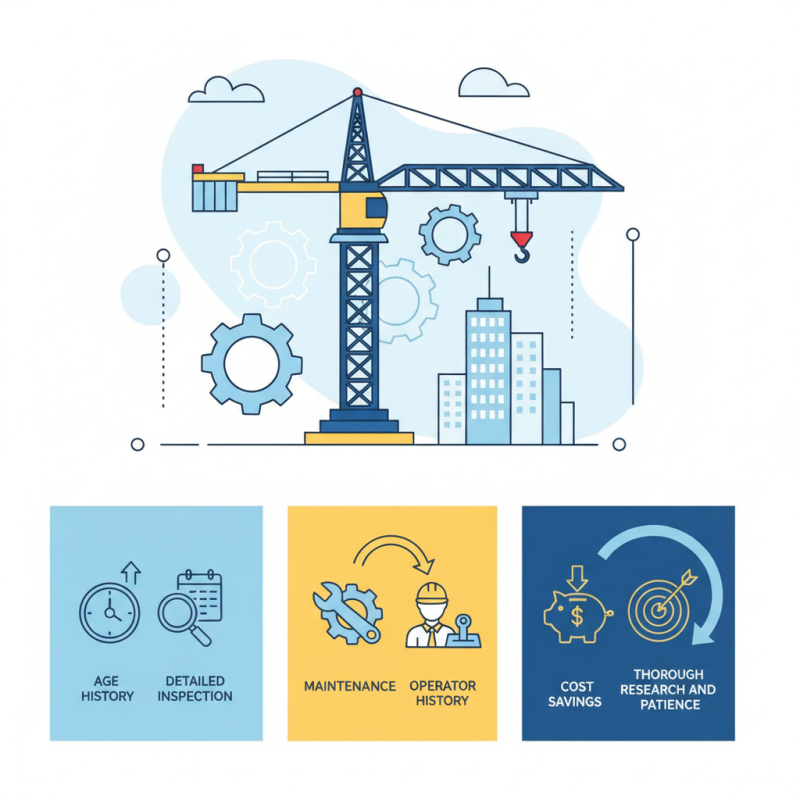
When you explore the market for a Used Liebherr Tower Crane, several factors emerge. Each crane varies in age, condition, and price. It's crucial to examine the crane's history and usage. A detailed inspection can reveal potential issues. Buyers should remain aware of their limitations and not rush into a purchase.
Some might overlook the importance of maintenance records or operator history. These details can affect performance and safety. Ultimately, investing in a Used Liebherr Tower Crane demands thorough research and patience. The goal is to find a crane that meets specific project needs without overspending.
Understanding Used Liebherr Tower Cranes: Features and Benefits
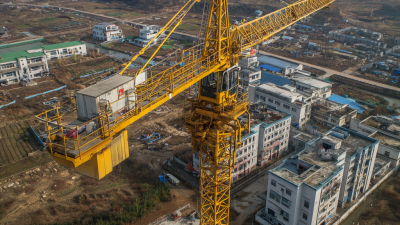
Used Liebherr tower cranes are popular for construction projects. They offer stable lifting and excellent height reach. Many projects benefit from their robust design. Contractors often seek used models for cost-effectiveness. A reliable used crane can save money while still performing well.
These cranes typically have features like adjustable heights and various lifting capacities. Operators appreciate their ease of use and safety features. However, buyers should inspect the equipment carefully. Some used cranes may show signs of wear. There can be hidden maintenance issues that require attention. It’s essential to check the crane’s history and usage.
Buying a used Liebherr tower crane involves research. Look for reputable sellers and inspect for damage. Understanding the crane’s specifications is vital. Knowing its load capacity and dimensions can inform your decision. Reflecting on your project needs against the crane’s features ensures a suitable match.
Used Liebherr Tower Cranes Features and Benefits
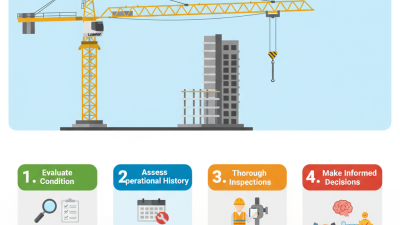
Evaluating Condition: Key Factors When Assessing Used Tower Cranes
When evaluating a used tower crane, condition is crucial. Look for signs of wear. Inspect the boom for cracks and dents. Check the cables for fraying or corrosion. The overall structure should appear robust and stable. Rust may indicate neglect. A thorough visual inspection can reveal much.
Tip: Always request maintenance records. They provide insights into the crane's history. If records are missing, it raises a red flag. Also, consider operational hours. Too many hours may signify excessive wear.
Examine the hoist and lifting mechanisms. These parts endure significant stress. Look for any unusual noises during a test lift. A smooth, quiet operation is ideal. Watch for any jerky movements—this could imply deeper issues.
Tip: Involve a qualified technician. They can identify potential problems that aren't visible. Investing in expert advice can save money long-term. Transparency from the seller is vital. If they hesitate to provide detailed information, consider walking away.
Where to Find Reliable Sources for Used Liebherr Tower Cranes
When looking for used tower cranes, reliability is key. Start by exploring reputable online marketplaces. These platforms often host listings with detailed descriptions. You can find photos and specifications, which help in assessing each crane. Be cautious, though. Some listings might lack transparency or exaggerate conditions.
Another great source is construction equipment auctions. They provide firsthand access to used cranes. Attending these events allows for direct inspection and interaction with sellers. Networking with industry professionals can lead to hidden gems.
Local dealers can also be valuable. They usually have a mix of inventory and often provide maintenance histories. Visiting yards can give you insight into the crane's real condition. Sometimes, backgrounds might seem perfect, yet hidden issues arise later. Always perform due diligence before making a decision.
Negotiating the Purchase: Tips for Buying a Used Tower Crane
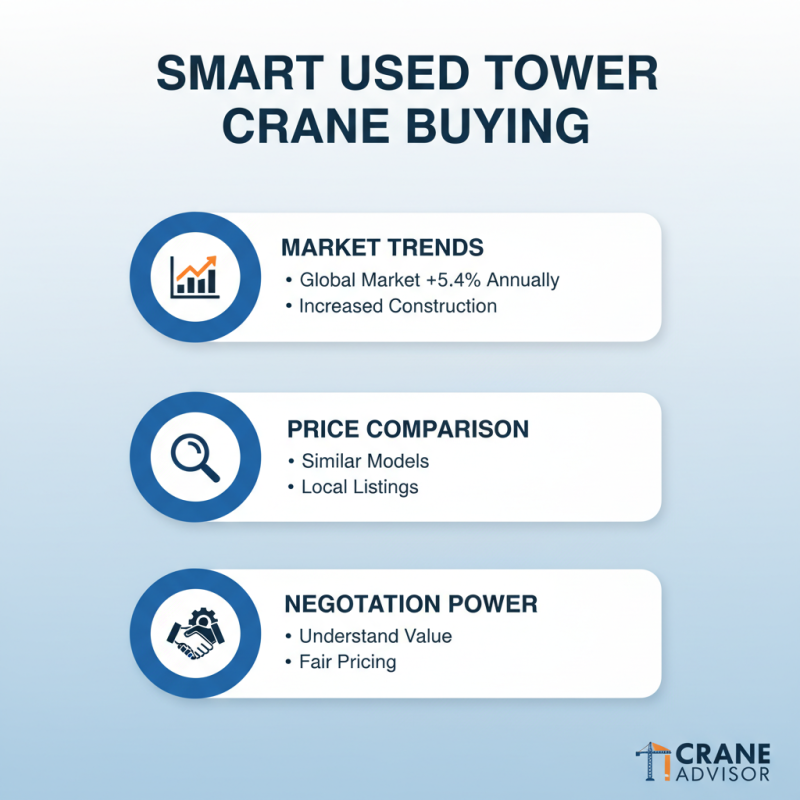
Negotiating the purchase of a used tower crane can be daunting. Understanding market trends is crucial. According to industry reports, the global tower crane market is expected to grow by 5.4% annually. This growth reflects increased construction activity worldwide. Buyers should compare prices of similar models. Check multiple listings within local markets. This helps in identifying fair pricing.
Inspecting the crane before purchase is vital. Look for signs of wear and tear. Check the boom, cables, and operator cabin. Many cranes operate for thousands of hours. A model with over 10,000 hours may show signs of fatigue. It's essential to request maintenance records too. These documents highlight any past issues or repairs. Transparency with the seller builds trust.
Negotiation may require compromise. Sellers are often attached to their equipment. A well-informed buyer can use this to their advantage. Highlighting any flaws identified during inspection helps. Ultimately, ensure you're getting value for your investment. Aim for a balance between cost and quality.
Post-Purchase Considerations: Maintenance and Operation of Your Crane
Post-purchase considerations for a used tower crane focus on maintenance and operation aspects. Regular inspections are crucial. Check the cables, brakes, and hydraulic systems frequently. These components wear out over time. Neglecting them can lead to costly repairs or accidents. Implement a maintenance schedule. Document each service activity. This creates a reliable history for future reference.
Operational training is equally vital. Ensure all operators are properly certified. Poor training can result in inefficient use. It may even lead to safety risks. Encourage feedback from operators. They have hands-on experience with the crane. Their insights can highlight areas for improvement.
Consider the environment in which you operate. Dust, moisture, or other factors can affect crane performance. Regularly clean the crane to avoid buildup. Evaluate the site conditions regularly. Adjust operations based on environmental factors. This attention to detail will help extend the crane's lifespan.