
Leave Your Message

Top XCMG Used Tower Cranes for Sale Worldwide

Global construction continues to create demand for lifting equipment, but buyers need more than a headline growth figure. A 2015 study by Global Construction Perspectives and Oxford Economics projected that worldwide construction output could rise by 85% to $15.5 trillion by 2030. This was a long-range forecast, not a current market total. It still helps explain why contractors seek practical equipment for projects with tight budgets and schedules.

The RLB Crane Index tracks tower crane activity in selected cities, offering a useful snapshot of construction intensity. It is not a complete count of cranes available worldwide. That distinction matters. The right Xcmg Used Tower Crane depends on site conditions, lifting capacity, jib length, erection requirements, and the machine’s maintenance history. A crane that looks suitable in a listing may not fit the planned lift.

This guide introduces XCMG used tower cranes offered across international markets and the details worth checking before purchase. Look closely at service records, structural components, electrical systems, and available technical documentation. Ask how the crane was stored and operated. Small details matter. A worn connection or incomplete record can change the true cost of ownership. Listings also vary in detail, so comparisons are not always straightforward. This guide cannot replace an independent inspection, but it can help buyers ask clearer questions and compare equipment with greater care.
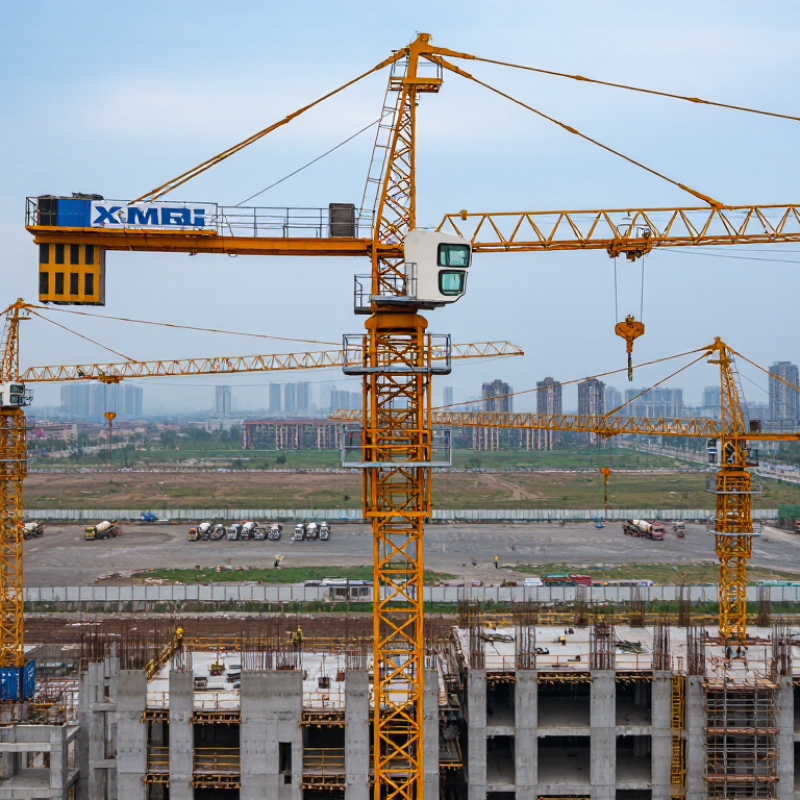
Top XCMG Used Tower Cranes for Sale Worldwide

Leading XCMG Tower Crane Models Available on the Used Market

Used tower cranes on the market often include flat-top, hammerhead, and luffing-jib configurations. Flat-top models suit sites with limited overhead clearance, while hammerhead cranes offer familiar horizontal-jib layouts for general building work. Luffing-jib units can help on crowded urban sites, where neighboring cranes or structures restrict slewing space. Capacity, jib length, and hook height vary by model and configuration. Check the actual load chart, not just the headline capacity.

Condition matters more than a fresh coat of paint. Ask for the serial plate, maintenance records, and inspection reports, then compare them with the crane’s current configuration. Look closely at mast sections, pins, bolts, wire ropes, and electrical cabinets; rust around joints deserves attention. A test run should confirm smooth hoisting, trolley travel, and slewing without unusual noise. Small details count. Also confirm that the available mast sections and counterweights match the setup you need. I would not choose by reach alone. Used listings can omit wear history or include incomplete accessories, so arrange an independent technical inspection before committing.


Key Specifications and Applications of Popular XCMG Models

Used tower cranes are often grouped by configuration, and each suits a different site. Flat-top models can simplify assembly where several cranes work nearby. Depending on the exact model and setup, jib lengths may reach roughly 40 to 70 metres, with maximum capacities commonly around 6 to 16 tonnes. Those figures are only a starting point. Capacity at the jib tip is lower, so check the load chart against planned lifts. Flat-top cranes often serve apartment blocks, commercial projects, and sites with repetitive material handling.

Hammerhead models suit projects needing a conventional trolley and broad working radius. Luffing-jib models can be useful on crowded urban sites, where a raised or angled jib helps limit oversailing. Check the crane’s maximum load, tip load, jib length, hook height, mast sections, and available power supply. Fit matters. Compare these details with the building height, ground conditions, and assembly access before choosing a used unit. Ask for inspection records and verify that the included sections match the quoted configuration. A fresh coat of paint can look reassuring, but it says little about wear in the slewing system, ropes, or braking components. Paperwork can be incomplete; that should prompt closer checks, not guesswork.

How to Assess the Condition of a Used XCMG Tower Crane

Assess a used tower crane as a system, not by its fresh paint. A clean finish can hide fatigue. Request serial-specific service records, erection history, overload reports, and repair documents. Compare the crane’s configuration with its load chart and operating manual; mismatches matter. Inspect mast sections, welds, bolts, slew ring, trolley, hoist ropes, brakes, and hooks for cracks, distortion, corrosion, uneven wear, or leaks. Check rope diameter at several points, not just the easiest spot. A qualified inspector can use suitable nondestructive testing on suspect welds and high-stress areas. Photos help, but they cannot prove sound metal.

The U.S. Bureau of Labor Statistics recorded 1,075 fatal work injuries in the construction industry in 2023, in its Census of Fatal Occupational Injuries. This figure is not crane-specific, but it underlines why undocumented defects deserve attention. Test limit switches, emergency stops, brakes, and electrical controls under controlled conditions. Review maintenance intervals and confirm that replacement parts match the crane’s configuration. If possible, observe a lift with a competent operator; listen for unusual gearbox noise and watch for load drift. No test lift? That leaves uncertainty. Include an independent inspection and likely repairs in your price assessment. A seller’s checklist alone is not proof.

How to Assess the Condition of a Used Tower Crane

Example inspection scores are shown on a 0–100 scale, where higher scores indicate better observed condition. Assess the mast and structural members, hoist, trolley, slew system, electrical system, and safety devices. These sample scores are illustrative only; have a qualified inspector examine the crane and review its maintenance and load-test records before purchase.

Factors to Compare When Choosing a Used XCMG Tower Crane

Compare a used tower crane against the lift plan, not just its asking price. Check rated capacity at the required working radius; capacity can drop sharply near the jib tip. Verify jib length, hook height, mast sections, tie-in spacing, power supply, and hoist speed against the site drawings. The load chart must match the crane’s actual configuration.

Inspect slew-ring movement, gearbox leaks, wire-rope wear, brake response, limit switches, and corrosion around welds. Match serial plates to service records, and review overload history, replaced parts, and previous test results. Paperwork can look tidy; steel tells the harder story. Have a qualified crane engineer assess the assembled configuration before purchase. McKinsey Global Institute’s 2017 report, Reinventing Construction, found construction productivity grew about 1% annually over two decades, compared with 2.8% for the whole economy. Avoidable equipment delays matter.

Tips: Photograph the mast joints, rope reeving, and control cabinet during inspection. Ask for a cold-start demonstration, then record any unusual noise or vibration. Small details are easy to miss.

Top XCMG Used Tower Cranes for Sale Worldwide - Factors to Compare When Choosing a Used XCMG Tower Crane
Comparison Factor Compact / Lower-Capacity Profile General Construction Profile High-Reach / Higher-Capacity Profile What to Verify Before Purchase
Maximum rated load About 6–8 tonnes About 10–12 tonnes About 12–16 tonnes Check the load chart for the exact mast, jib, counter-jib, and operating configuration; maximum capacity is not available at every radius.
Typical jib-length range About 50–60 m About 60–70 m About 70–80 m Confirm the included jib sections and permitted assembly combinations. Longer jib configurations may reduce capacity at the jib tip.
Indicative tip capacity Often around 1.0–1.5 tonnes Often around 1.5–2.0 tonnes Often around 1.8–2.5 tonnes Use the manufacturer’s load chart for the offered configuration; tip capacity varies by model and jib length.
Site and height fit Suitable where the required lifting radius and hook height are modest Often suited to multi-storey building projects with a broader working radius May suit tall structures or large sites, subject to engineering and site constraints Compare required hook height, working radius, tie-in locations, foundation design, nearby structures, and local wind conditions.
Wear and maintenance condition Inspect closely for age-related wear and missing parts Review service records and repair history against usage hours Pay particular attention to structural fatigue, connection points, and high-load components Request inspection reports, maintenance records, operating hours, repair documentation, and a qualified structural inspection.
Included components Confirm mast sections, climbing frame, and counterweights Check that the quoted configuration includes all required erection components Verify the full inventory for the intended height and jib arrangement Match each component to the parts list and manuals; replacement or transport of missing sections can add significant cost.
Electrical and safety systems Check brakes, limit switches, and load-moment indication Test controls, hoist systems, alarms, and safety devices Confirm system condition and compatibility with the planned configuration Arrange functional testing by qualified personnel and confirm that safety systems meet applicable local requirements.
Transport, assembly, and compliance Estimate shipping and local lifting-equipment needs Plan transport, erection, commissioning, and operator requirements Allow for engineering review, site logistics, and any required tie-ins Check import rules, inspection and certification requirements, documentation, spare-parts access, and availability of qualified erection crews.

Note: Capacity and jib-length figures are indicative planning ranges for common tower-crane configurations, not specifications for a particular machine or live sale listing. Confirm exact specifications, condition, documentation, and compliance with the seller and a qualified inspector before purchase.

Worldwide Sourcing, Shipping, and Purchase Considerations

Buying a used tower crane across borders starts with matching the machine to the project. Confirm lifting capacity, jib length, maximum hook height, and available mast sections. Ask for serial-number records, operating manuals, maintenance logs, and clear photographs of joints, pins, and welds. A qualified independent inspector can check the slewing ring, hoist ropes, brakes, electrical cabinet, and signs of corrosion.

Small cracks matter.

Shipping plans affect the real purchase price. A dismantled crane may travel on flat racks or breakbulk vessels, while large components can require special road permits at each end. Get written estimates for packing, port handling, insurance, inland transport, and storage. Measure the longest sections and confirm their weights before booking.

Delays happen.

Before payment, compare the equipment list against the inspection report and shipping documents. Check that counterweights, tools, and critical spare parts are included, not merely shown in old photos. Ask the seller to identify missing components and disclose repairs.

No inspection is perfect. I would also plan for assembly support at the destination; unfamiliar wiring or mismatched mast sections can turn an apparent bargain into weeks of downtime. Keep a contingency for unexpected port fees or replacement parts.