Top 10 Crane Inside Tips for Global Buyers Looking to Invest?
Navigating the world of crane investments can be challenging. For global buyers, understanding the nuances is crucial. The article "Top 10 Crane Inside Tips for Global Buyers Looking to Invest" offers valuable insights drawn from years of industry experience. By leveraging Crane Inside tips, buyers can make informed decisions that mitigate risks.
The crane market is complex. Differences in regulations and standards exist across various regions. Buyers face the challenge of choosing the right equipment that suits their specific needs. It's not just about selecting a crane; it’s about understanding local markets, supplier reliability, and product compatibility. Each decision can significantly impact project safety and efficiency.
Investors often overlook essential details, leading to costly mistakes. For example, failing to consider maintenance costs can affect long-term profitability. Moreover, the quality of after-sales support can vary widely. By emphasizing Crane Inside knowledge, global buyers can better navigate these complexities. The right insights make all the difference in securing a successful investment.

Understanding the Different Types of Cranes for Your Investment Needs
When investing in cranes, understanding the different types is crucial. Cranes come in various forms, each designed for specific tasks. Tower cranes, for instance, excel in high-rise construction. They offer exceptional lifting capacity and reach. However, they require considerable setup time and space, which can be a drawback.
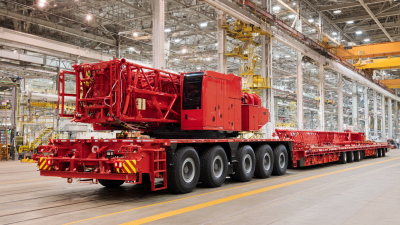
Mobile cranes, on the other hand, offer versatility. They can easily move from one site to another. This type is ideal for smaller projects or locations with limited space. However, their lifting capacity may not match that of larger cranes. Buyers should balance their immediate needs with long-term project goals.
Knowing the pros and cons of each crane type is essential. This decision can impact project efficiency and budget. Some buyers may overlook these details, leading to dissatisfaction later on. Reflecting on the operational limitations of each crane can prevent costly mistakes in investment choices.
Top 10 Crane Inside Tips for Global Buyers Looking to Invest
| Type of Crane |
Best Uses |
Load Capacity (ton) |
Height (m) |
Mobility |
Cost Estimate ($) |
| Mobile Crane |
Construction sites, moving heavy loads |
10-500 |
10-60 |
High |
50,000 - 600,000 |
| Tower Crane |
High-rise buildings, heavy lifting |
1-20 |
20-80 |
Medium |
200,000 - 2,000,000 |
| Overhead Crane |
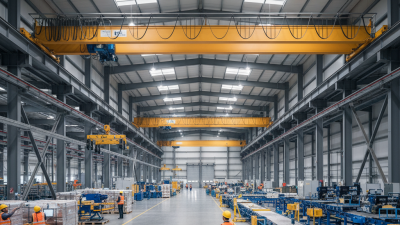
Factories, warehouses, heavy lifting |
1-400 |
3-30 |
Low |
50,000 - 1,000,000 |
| Crawling Crane |
Rough terrain, construction |
50-300 |
10-40 |
Medium |
200,000 - 800,000 |
| Floating Crane |
Marine construction, large shipyards |
10-600 |
15-50 |
High |
300,000 - 3,000,000 |
| Articulated Crane |
Tight spaces, sensitive loads |
1-15 |
5-25 |
High |
30,000 - 150,000 |
| Rough Terrain Crane |
Construction in hilly or uneven territory |
10-100 |
10-40 |
High |
200,000 - 600,000 |
| Stacker Crane |
Warehouse storage, goods handling |
1-30 |
3-15 |
Low |
25,000 - 200,000 |
| Gantry Crane |
Shipping yards, factories |
1-600 |
5-30 |
Low |
100,000 - 1,500,000 |
| Telehandler Crane |
Construction, agriculture |
1-12 |
4-18 |
Medium |
30,000 - 250,000 |
Evaluating Key Features to Look for When Buying a Crane
When investing in cranes, it’s crucial to evaluate key features that impact performance and safety. According to a report by the Global Construction Equipment Market, the demand for cranes is projected to grow by 4.1% annually. This growth indicates a rising need for reliable and efficient lifting solutions. Buyers should pay attention to the lifting capacity and boom length. These factors directly influence what types of loads the crane can safely handle.
Additionally, safety features cannot be overlooked. Advanced technology, such as overload protection systems, has become essential. A crane equipped with real-time monitoring can provide data on weight and structural integrity. A report from the Crane Industry Council (CIC) highlights that proper safety measures can reduce accident rates by 30%. Understanding the operational limits and ensuring compliance with local regulations adds another layer of reliability to your investment.
Buyers often struggle with maintenance considerations. A crane may seem cost-effective at first, but long-term maintenance can be costly. Understanding the accessible parts and service requirements is vital. If the crane breaks down frequently, it could lead to loss of productivity. Focusing on these critical features can make a significant difference in choosing the right crane for your needs.
Identifying Reliable Vendors and Suppliers in the Crane Market
When looking for reliable vendors in the crane market, you must start with thorough research. Examine online reviews and ratings from previous customers. This step provides insight into the vendor’s reputation. A vendor with strong testimonials often signals reliability. Don't ignore red flags like inadequate response times or unprofessional communication.
Additionally, consider visiting trade shows or industry exhibitions. These events allow you to interact directly with suppliers. Face-to-face discussions can reveal a lot about their operations. Ask for references and follow up on them. Speaking to past clients helps gauge the vendor’s service quality. Sometimes, suppliers make grand promises, but their follow-through matters more.
Lastly, don't rush into your decision. Take the time to compare multiple vendors. It’s essential to evaluate their pricing, quality of cranes, and customer support. Some suppliers may offer lower prices, but the quality might suffer. Balancing cost and quality is key. Keeping a skeptical mindset can lead to better choices. Reflecting on your requirements and expectations will guide you towards a reliable partner.
Assessing Cost-Effectiveness and ROI of Crane Investments
Investing in cranes requires a clear evaluation of cost-effectiveness and return on investment (ROI). Recent data from the International Council on Mining and Metals highlights that poorly executed crane investments can lead to up to 30% wasted budget. Understanding the lifecycle costs of cranes is essential. This includes initial purchase price, maintenance, and operational expenses. Frequent breakdowns can significantly reduce productivity.
In 2022, a study by the Construction Industry Institute revealed that companies that conducted thorough ROI analyses before investing in cranes saw an average 15-20% increase in project profitability. Assessing operational efficiency can be a game changer. For example, a crane operating below its capacity can incur unnecessary costs.
Also, it's crucial to consider the resale value. Cranes typically depreciate at around 10-15% per year, depending on condition and usage. Ensuring proper maintenance can mitigate some depreciation. However, some buyers overlook this, impacting long-term ROI. Continual training for operators can also yield better performance, reflecting the importance of human factors in crane investments.
Navigating Regulations and Compliance for Crane Ownership
Navigating regulations and compliance is crucial for global buyers interested in crane ownership. Understanding local laws is not just advisable; it’s mandatory. According to a report by the International Trade Administration, about 25% of logistics-related delays stem from non-compliance with local regulations. This statistic underscores the importance of thorough research into specific regional requirements.
Different regions enforce varying safety standards and operational compliance codes. For instance, a recent study found that crane accidents often arise from lapses in adherence to safety regulations outlined by agencies like OSHA and ISO. Buyers must familiarize themselves with these frameworks. Many overlook this step, leading to significant financial and reputational losses.
Documentation is key. Buyers should ensure that all required permits are obtained and maintained. Failure to do so can result in hefty fines. Accurate compliance records can also boost resale value. A 2023 survey showed that well-documented compliance led to a 30% increase in asset resale prices. As global trade continues to evolve, maintaining awareness of regulatory changes remains essential for investors in the crane market.
Top 10 Crane Inside Tips for Global Buyers
This chart illustrates the top 10 considerations for global buyers when investing in cranes, rated by importance. Each tip is critical for ensuring compliance and successful ownership of cranes in various markets.