How to Operate Potain Used Tower Crane Safely and Effectively?
Operating a Potain Used Tower Crane requires careful attention to safety and efficiency. These cranes are invaluable on construction sites. They offer the power and reach needed for various projects.
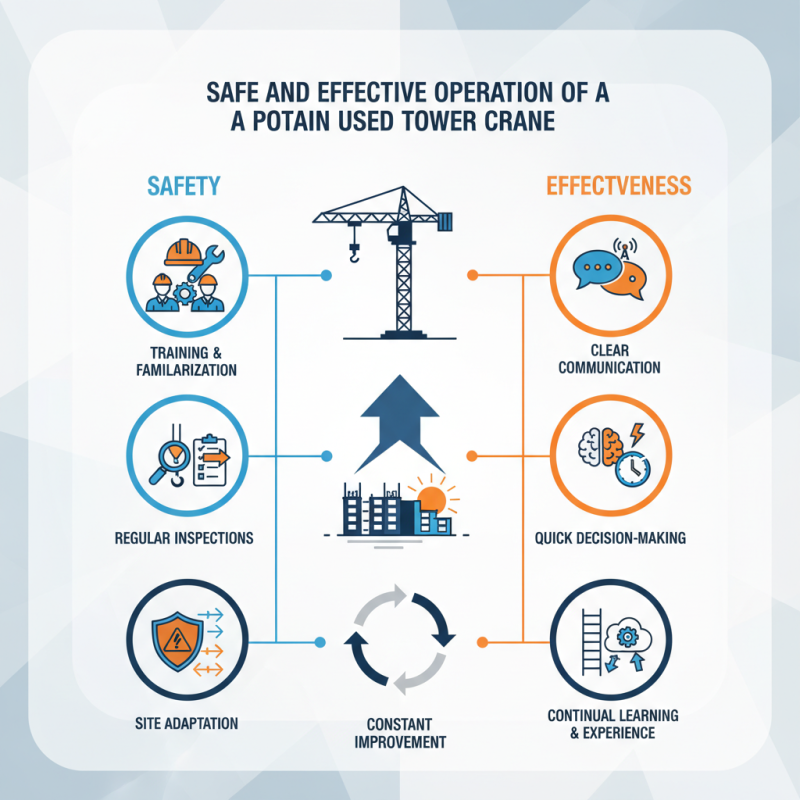
Safety is paramount when using a Potain Used Tower Crane. Operators must be trained and familiar with the crane's mechanics. Regular inspections are essential to spot any issues before they escalate. Each site presents unique challenges, and adapting to those conditions can be complex.
Effective operation hinges on communication. Clear signals between team members can prevent accidents. Yet, not every situation can be anticipated. Operators should always be ready to make quick decisions. Reflecting on past experiences can aid in improving future operations. Overall, mastering the Potain Used Tower Crane is a continual learning process.
Understanding Potain Tower Crane Specifications and Types
Understanding tower crane specifications is crucial for ensuring safe and effective operations. Potain tower cranes come in a variety of types and configurations. Each type is designed for specific tasks. For example, some models are ideal for tight urban sites, while others excel in large construction projects. Knowing the specifications helps in selecting the right crane for your job.
Different tower cranes have distinct features. Some may have higher lifting capacities, while others offer greater height. The range can affect load distribution. Operators must choose cranes wisely to match the job requirements. However, selecting the wrong type can lead to inefficiencies. Operators should regularly review specifications to avoid costly mistakes.
When operating a tower crane, understanding its limits is vital. Each model has critical data that operators must know. This knowledge aids in preventing overloads and accidents. Often, operators overlook these details. It’s essential to stay focused and mindful of the crane’s capabilities. Mistakes can happen, but learning from them shapes better practices.
How to Operate Potain Used Tower Crane Safely and Effectively?
| Specification |
Description |
Type |
Maximum Load (ton) |
Height (m) |
| Potain Igo T 85 A |
Self-erecting crane |
Self-erecting |
4 |
22 |
| Potain MDT 178 |
Luffing crane |
Luffing |
10 |
40 |
| Potain MD 110 |
Top-slewing crane |
Tower |
6 |
30 |
| Potain MDT 368 |
Flat-top crane |
Flat-top |
20 |
50 |
Essential Safety Regulations for Operating Used Potain Tower Cranes
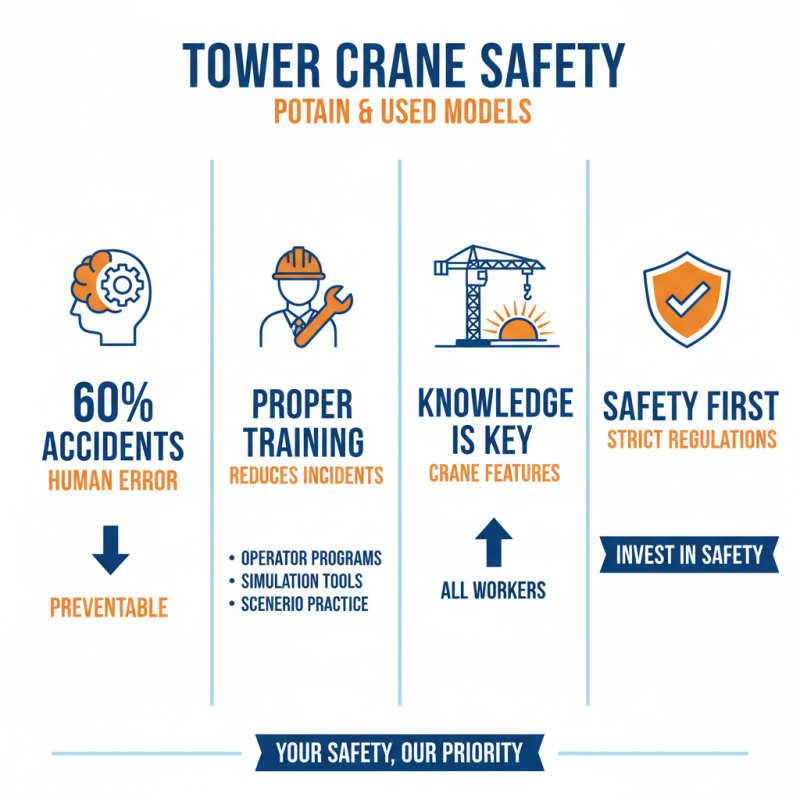
Operating a used tower crane, such as the Potain models, requires strict adherence to safety regulations. Approximately 60% of crane accidents arise from human error or negligence. Proper training can significantly reduce these incidents. Invest in comprehensive operator training programs. Use simulation tools for real-life scenarios. All workers should understand the crane's specific features.
Maintaining clear communication among team members is critical. A study indicates that 30% of crane-related injuries come from miscommunication. Use hand signals and radios to ensure coordination. Set up a buddy system for added safety. Always conduct pre-operation checks. Inspection of cables, hooks, and other components is essential. Do not overlook wear and tear; it can lead to catastrophic failures.
Tips: Always have a qualified spotter during lifting operations. They can provide essential guidance. Ensure that the work area is clear of unnecessary personnel. Highly visible barriers can prevent unauthorized access. Never underestimate the importance of proper PPE for all crew members. This includes hard hats, gloves, and high-visibility vests. Keep reviewing safety practices and encourage feedback among the team. Continuous improvement is necessary for safer operations.
Pre-Operation Checklist: Ensuring Safety Before Crane Use
Before operating any tower crane, a thorough pre-operation checklist is essential.
Start by inspecting the crane's physical condition. Check for any visible damage or wear on cables, booms, and safety mechanisms.
A crack or a frayed cable can lead to severe accidents. Be vigilant; small issues may escalate into larger problems if ignored.
Ensure that all safety devices are in place and functioning.
Next, the site conditions must be assessed. Check the ground stability and surface conditions.
Is the ground level? Are there any obstacles nearby? These factors greatly affect crane operations.
Sometimes, operators overlook minor details, resulting in hazardous situations.
Always communicate your findings with your team. A lack of communication can lead to misunderstandings and increased risk.
Training is key, yet it can’t replace experience.
Make sure all operators are trained adequately. However, even well-trained personnel can learn from mistakes.
Reflect on past operations. Did everyone follow safety protocols?
Reviewing these moments can enhance future practices.
The goal is a safe and effective operation, and attention to detail is crucial.
Best Practices for Effective Load Handling with Potain Cranes
Effective load handling with tower cranes is crucial for site safety and efficiency. Proper rigging is essential. Always inspect slings, hooks, and other attachments before use. Avoid using worn or damaged equipment, as this can lead to accidents. Load stability must also be a priority. Implement proper weight distribution to prevent tipping. It's vital to be aware of the crane’s capacity limits.
Communication among team members enhances safety. Clear signals should be established before lifting. Use hand signals or radios to minimize misunderstandings. During operation, maintain vigilance. Operators should watch for changes in wind conditions or ground stability. If something seems off, don't hesitate to stop the lift. Remember, every site presents unique challenges. Reflecting on past experiences can improve future practices.
Regular training sessions can reinforce best practices for load handling. Encourage crew discussions about safety concerns. Engaging in open dialogue can uncover solutions to common issues. Mistakes happen, but each is an opportunity to learn. Embracing improvement will lead to more effective operations overall.
Load Handling Efficiency with Potain Tower Cranes
Regular Maintenance and Inspection Protocols for Tower Cranes
Regular maintenance and inspection of tower cranes are crucial for safety and efficiency. According to industry reports, nearly 30% of crane accidents are linked to inadequate maintenance practices. Ensuring a systematic approach can prevent these incidents. Operators must implement a strict inspection protocol before each shift. This includes checking the hoist mechanics, load capacity, and safety devices.
Tips: Always keep a maintenance log. Documenting each inspection can provide insights into performance trends. Analyze these records periodically. This helps identify recurring issues that may signal a deeper problem.
Routine inspections should go beyond visual checks. Components like cables and brakes require thorough testing. Experts recommend a monthly review of your crane's structural integrity. Don’t overlook these small details; they often lead to larger issues. Be proactive about replacing worn parts. Ignoring them can result in costly repairs.
Tips: Schedule regular training sessions for operators. An informed team can spot potential hazards earlier. Continuous education enhances overall safety culture on-site. Remember, a neglected crane can quickly become a liability.