How to Choose the Right Zoomlion Used Tower Crane for Your Project?
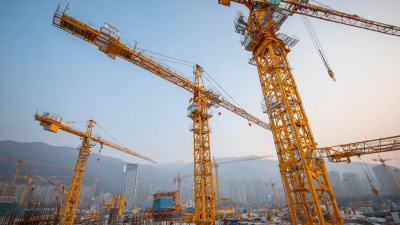
Choosing the right Zoomlion Used Tower Crane for your project can be a daunting task. These cranes are essential for various construction needs. However, selecting the most suitable option requires careful consideration of several factors.
Understanding your project's specific requirements is crucial. Factors like load capacity, boom length, and height restrictions significantly impact your choice. It is essential to assess the site's layout and available space. This can influence the crane's effectiveness. Each Zoomlion Used Tower Crane has unique features. Researching these differences helps in making informed decisions.
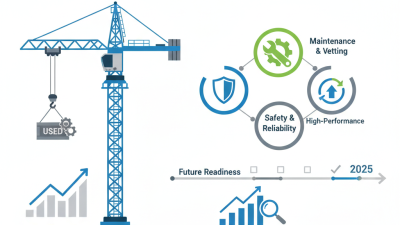
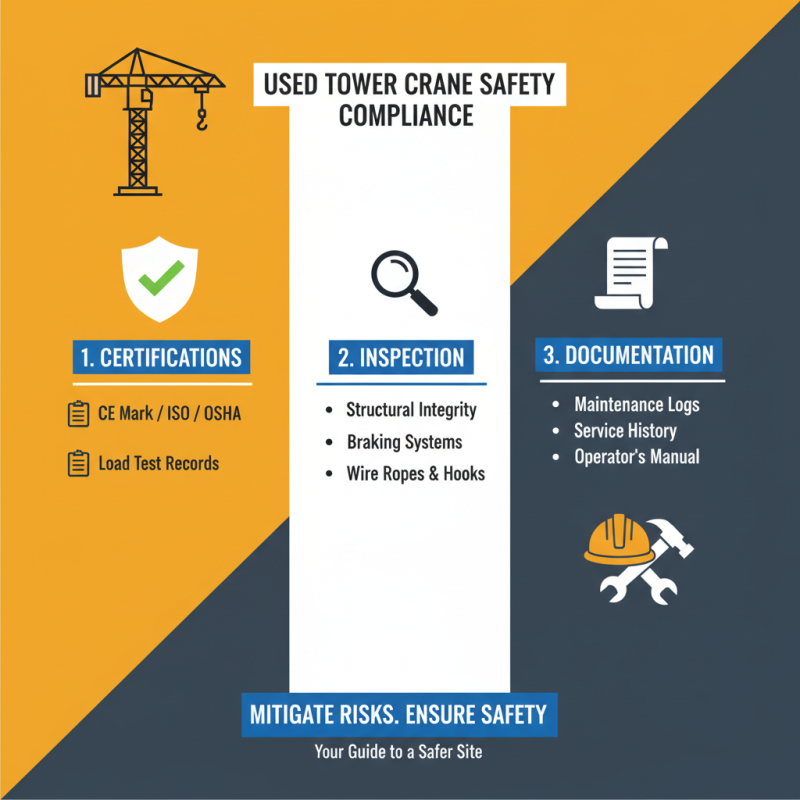
Additionally, evaluating the crane's condition is vital. A used crane may show signs of wear and tear. Being aware of these imperfections ensures safety and reliability in operation. Some cranes may require repairs or maintenance. This can affect your budget and project timeline. Weigh these aspects carefully to avoid unexpected challenges. Selecting the right Zoomlion Used Tower Crane may define your project's success.

Understanding the Types of Zoomlion Used Tower Cranes Available
When selecting a Zoomlion used tower crane, it's essential to understand the types available. Tower cranes vary significantly in capacity, height, and design. Generally, they fall into two categories: flat-top and fixed-jib. Flat-top cranes are ideal for urban environments. They occupy less space and allow for easy access. On the other hand, fixed-jib cranes are better for larger projects. Their enhanced stability supports heavier loads.
Tips: Assess your job site carefully. Consider the logistics of crane placement and operation. Choose a crane that fits your space constraints while maximizing efficiency.
Capacity is another crucial factor. Tower cranes can have lifting capacities ranging from a few tons to over twenty tons. It's vital to match the crane's capacity with your workload. Overspecifying a crane can increase costs unnecessarily. Conversely, underspecifying can lead to safety risks.
Tips: Do not overlook maintenance history. A tower crane's previous usage can indicate its reliability and condition. Inspect for wear and tear, especially on moving parts. Understanding the crane's performance history will enhance your decision-making process.
Assessing Project Requirements for Tower Crane Selection
Assessing project requirements is crucial when selecting a used tower crane. Different projects demand varying lifting capacities, heights, and operational speeds. For instance, a report from the National Institute of Standards and Technology (NIST) indicates that construction projects using cranes require a minimum of 100 tons of lifting capacity for mid-rise buildings. Knowing these specifics aids in making informed choices.
Additionally, site conditions play a significant role. A study by the American Society of Civil Engineers (ASCE) highlights that nearly 30% of crane accidents stem from inappropriate equipment for the site, emphasizing the need for expertise. Consider ground conditions and surrounding structures. Urban areas may require compact cranes with high maneuverability, while rural sites might utilize larger, more powerful cranes.
Evaluating the experience level of the crew is also essential. Teams unfamiliar with specific crane types can lead to inefficiency and safety hazards. Research shows that projects with trained operators experience 22% more productivity. Thus, reflecting on crew capabilities is vital in ensuring effective crane operation, ultimately impacting project timelines and costs.
How to Choose the Right Used Tower Crane for Your Project
Evaluating the Condition and History of Used Tower Cranes
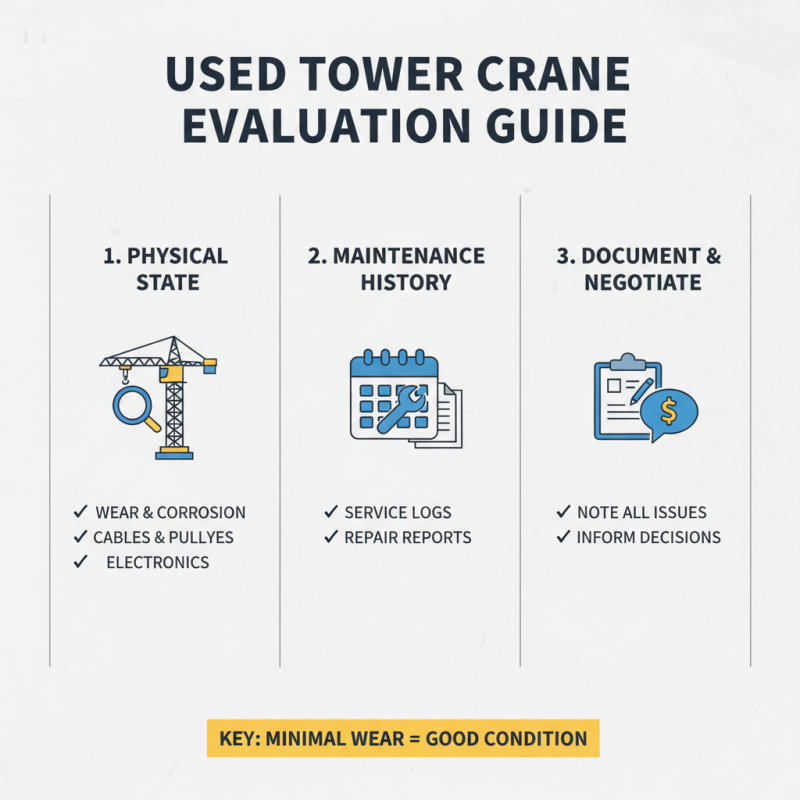
When evaluating the condition and history of used tower cranes, several aspects warrant attention. Begin by inspecting the crane's physical state. Check for any signs of wear, corrosion, or damage. Look closely at the cables, pulleys, and electronic components. A well-maintained crane will often show minimal signs of wear and tear. Document any issues you notice. This information will help in negotiations.
Next, review the crane's maintenance history. Ask for service records and past inspections. A history of regular maintenance indicates reliability. If a crane has lacked care, it could result in more frequent breakdowns. Additionally, inquire about its operational history. How many hours has it logged? A high-use crane may have a shorter lifespan. Understanding its past will guide your decision.
Lastly, consider the previous operating environments. Cranes used in harsh conditions may suffer from greater wear. Evaluate records of accidents or repairs. A crane with a troubled past may not be worth the investment. Ultimately, thorough research is essential. You should not rush into a decision. Each detail counts when choosing the right crane for your project.
Comparing Costs and Benefits of Different Zoomlion Models
When choosing a used tower crane, understanding the costs and benefits of various Zoomlion models is crucial. Recent industry reports indicate that the average cost of a used tower crane can vary significantly, depending on factors like its age, condition, and specifications. A model with a lifting capacity of 10 tons can range from $25,000 to $60,000. However, the most expensive models may offer advanced technology and better performance, making them potentially more cost-effective in the long run.
Another important aspect is maintenance. A report from the Crane Safety Institute confirms that well-maintained cranes can reduce operational costs by up to 30%. Therefore, it’s wise to evaluate the maintenance history of used models. Some used cranes may lack complete records, raising the risk of unexpected repairs. Assessing the original usage environment is vital. Cranes used in harsher conditions tend to wear faster.
Installation and transport costs also vary between models. Transporting heavier or larger cranes may cost significantly more. It is essential to consider these logistics when budgeting for your project. Keeping these factors in mind can help make a more informed decision, ultimately affecting project timelines and overall profitability.
How to Choose the Right Used Tower Crane for Your Project? - Comparing Costs and Benefits of Different Models
| Model |
Max Load (tons) |
Height (m) |
Radius (m) |
Cost ($) |
Year of Manufacture |
Condition |
| Model A |
10 |
40 |
50 |
25000 |
2018 |
Used |
| Model B |
12 |
45 |
55 |
30000 |
2017 |
Good |
| Model C |
8 |
35 |
45 |
20000 |
2019 |
Very Good |
| Model D |
15 |
50 |
60 |
35000 |
2016 |
Used |