How to Choose the Right Construction Crane for Your Project?
Choosing the right construction crane can significantly affect your project's success. A construction crane is not just a piece of equipment; it’s a vital tool that can enhance efficiency and safety on site. There are various types and models, each suited for different tasks. Identifying the correct crane can be daunting, especially with the many options available.
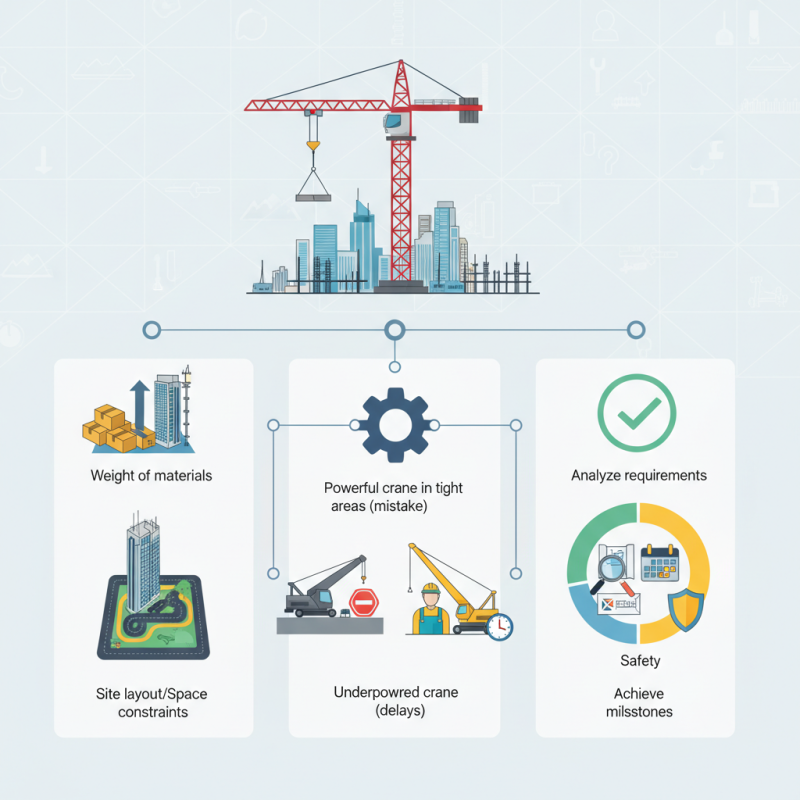
When selecting a construction crane, several factors come into play. Consider the weight of materials. Assess the height you need to lift. Think about the site’s layout and space constraints. Personal experiences often reveal mistakes in choices. Sometimes, a powerful crane may not fit in tight areas. Other times, underpowered cranes may delay progress.
Reflecting on these details helps inform your decision. Don’t rush; the crane should fit the project's specific needs. A wrong choice can lead to costly delays. Take your time. Analyze the requirements closely. The right construction crane can make all the difference in achieving project milestones efficiently and safely.
Factors to Consider When Selecting a Construction Crane
Choosing the right construction crane is crucial for any building project. Start by assessing the project's specific needs. Consider the weight and dimensions of the materials you will lift. Large, heavy components require robust cranes. Lighter tasks can rely on smaller models.
Another factor is the site’s layout. Is it spacious or tight? If there is limited room, a compact crane might fit best. Also, think about the height of the lift. Different cranes offer varying lifting ranges. If a crane can't reach the needed height, it’s simply not suitable.
Safety should never be overlooked. Inspect the crane's condition and ensure regular maintenance checks. Avoid using a crane that shows signs of wear, as it can lead to accidents. Lastly, reflect on your team's experience. A less experienced crew may require different equipment compared to seasoned workers. Evaluate these elements carefully for a successful project.
How to Choose the Right Construction Crane for Your Project?
| Crane Type |
Max Load Capacity (tons) |
Working Radius (m) |
Height (m) |
Ideal Use Case |
| Tower Crane |
10-25 |
50-75 |
30-80 |
High-rise buildings |
| Mobile Crane |
5-40 |
20-40 |
10-30 |
Construction sites with limited space |
| Rough Terrain Crane |
10-30 |
20-40 |
10-25 |
Uneven terrain |
| Crawler Crane |
20-120 |
30-60 |
15-40 |
Heavy lifting in tough areas |
| Floating Crane |
100-200 |
>50 |
20-30 |
Maritime construction projects |
Types of Construction Cranes and Their Applications
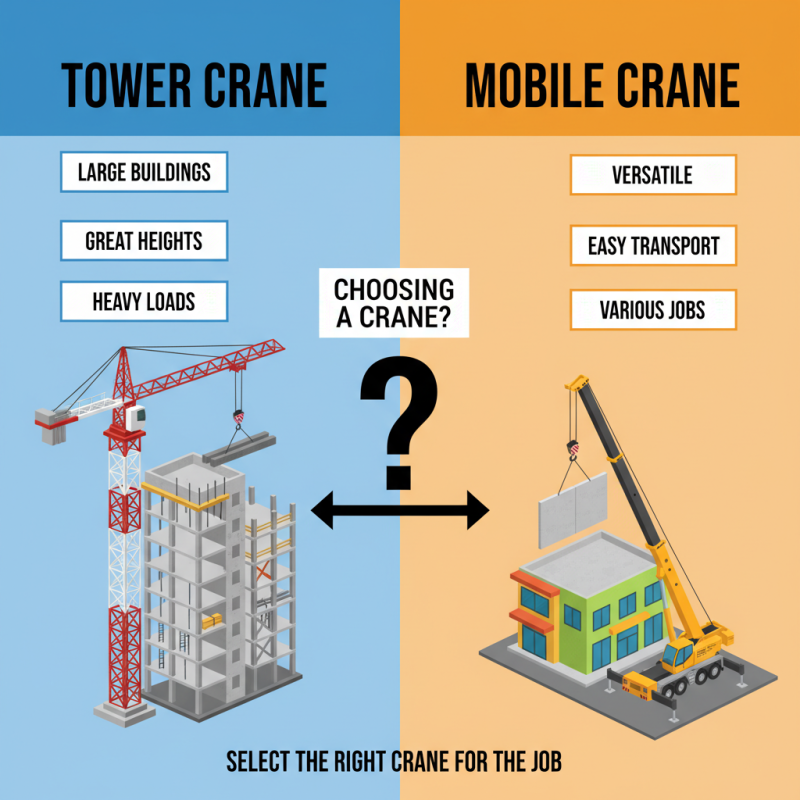
When choosing a construction crane, understanding the types available is essential. There are various cranes, each suited for specific tasks. Tower cranes are tall and ideal for large buildings. They lift heavy materials to great heights efficiently. On the other hand, mobile cranes are versatile and can move between job sites easily.
Another type is the crawler crane. It has a track system, making it stable on uneven ground. These cranes are often used in construction areas with challenging terrains. Then we have the rough terrain cranes. They are designed for off-road applications. These cranes can navigate rough surfaces while providing excellent lifting capacities.
Tips: Consider the weight and size of your materials. Choose cranes that can handle your project needs. Also, evaluate the accessibility of the construction site. A crane's mobility can significantly influence your timeline and costs. Always think about safety features when selecting a crane. The right choice can make a difference in the project's success.
Assessing Project Specifications and Site Conditions
Choosing the right construction crane starts with understanding your project specifications and site conditions. Factors such as weight capacity, lift height, and boom length are crucial. A study by the American Society of Civil Engineers indicates that over 30% of crane-related accidents stem from improper selection based on project needs.
When assessing site conditions, consider ground stability and overhead restrictions. If your site has soft soil or limited working space, a mobile crane might be more suitable. Ensure you gather soil data before making a decision. Sometimes, overlooked ground conditions can lead to costly delays.
Tips: Always verify lift requirements against your crane's specifications. Assess site access thoroughly to avoid logistical nightmares. Check for potential obstructions: nearby buildings, power lines, and trees. These can drastically impact crane operations. A proactive approach reduces risks and enhances safety on site. Remember, informed decisions lead to successful project outcomes.
Evaluating Load Capacity and Reach Requirements
When selecting a construction crane, load capacity and reach are crucial. According to industry reports, cranes can lift between 1 ton to over 3,000 tons. Understanding your project's needs is essential in choosing the right model. Ensuring that the crane can handle the required loads is non-negotiable. Exceeding the load capacity can lead to catastrophic failures.
Reach is equally significant. The reach determines how far the crane can extend its boom. Many projects need cranes that can reach heights of 100 feet or more. Insufficient reach can delay timelines and increase costs. Evaluating potential obstacles, like nearby buildings or power lines, is vital. Their presence can limit the type of crane you should use.
Tips: Always check the crane's specifications before making a decision. Consider hiring a specialist to analyze your project’s unique requirements. Assess your site limits. Remember, an overestimated capacity or reach can result in costly mistakes. Misjudgments here can lead to project delays and safety risks. Always reflect on whether the selected crane truly meets all your needs.
Budgeting for Crane Rental and Operating Costs
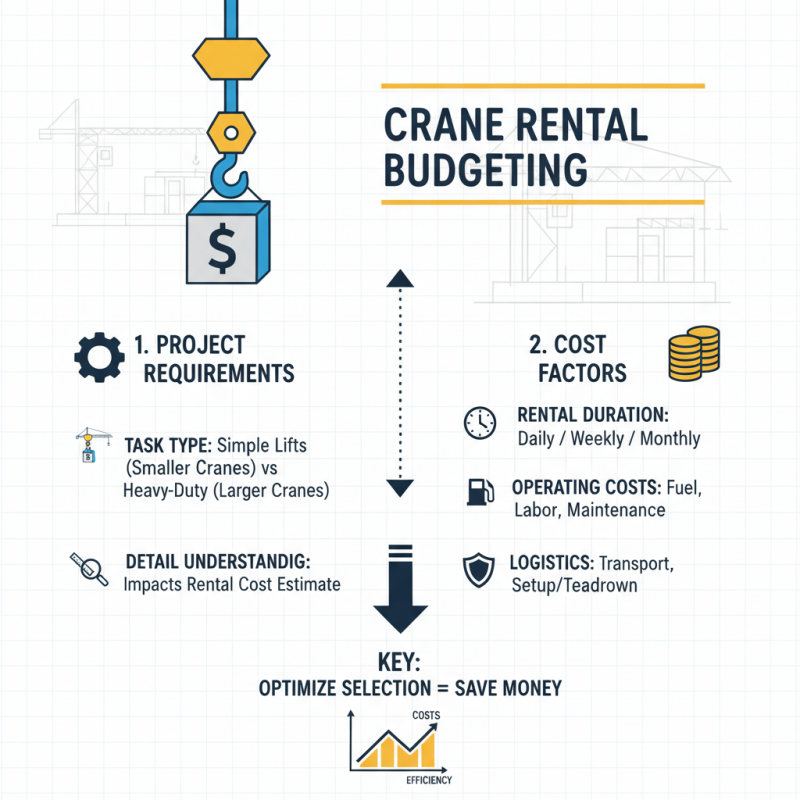
Budgeting for crane rental and operating costs is crucial for any construction project. First, you need to identify your project requirements. The type of crane required will largely depend on the specific tasks at hand. For instance, a simple lift might need a smaller crane, while heavy-duty tasks necessitate larger models. Understanding these details helps you estimate the rental costs more accurately.
Consider the rental duration and additional operating costs. Rental fees can vary widely. Daily or monthly rates may apply, and you have to factor in transportation costs too. You may find unexpected costs popping up, such as maintenance or operator fees. It’s important not to overlook these aspects. A clear budget helps in avoiding financial strain later.
Finally, make room for unexpected expenses. No project goes exactly as planned. Weather delays, equipment malfunctions, or site changes can emerge. These variables might require more rental time or additional equipment. It’s wise to set aside a contingency fund for such scenarios. A well-planned budget not only secures a crane but also supports smooth project execution.