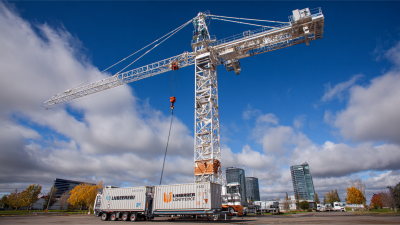
Buying a Used Liebherr Tower Crane is not simply a matter of comparing prices. It is a decision about lifting history, structural condition, documentation, and future reliability. A crane may look clean in photographs yet hide worn slewing bearings, damaged electrical components, or incomplete service records.
Experienced buyers inspect the machine where it worked. Was it used on high-rise projects, residential sites, or short-term construction jobs? How often was it erected and dismantled? These details matter. A lightly used crane can still suffer from poor storage, rushed assembly, or neglected inspections.
Industry equipment specialist Michael Zieger offers a practical reminder: “A crane is only as reliable as its maintenance history.” That principle should guide every purchase. Ask for serial numbers, load charts, inspection reports, operating manuals, and replacement-part records. Check the mast sections, climbing frame, trolley system, hoist ropes, hooks, brakes, and control cabinet. Small corrosion spots deserve attention.
Do not trust polished paint alone.
This guide explains how to evaluate a Used Liebherr Tower Crane before committing funds. It covers seller credibility, technical checks, transport planning, installation requirements, and ownership costs. It also considers an uncomfortable possibility: the cheapest crane may become the most expensive choice after delivery.
Some buyers focus too heavily on the purchase invoice. That is understandable, but incomplete. Transport, testing, refurbishment, storage, operator training, and spare parts can quickly change the final budget. Careful inspection does not remove every risk. It makes the remaining risks visible, measurable, and easier to manage.
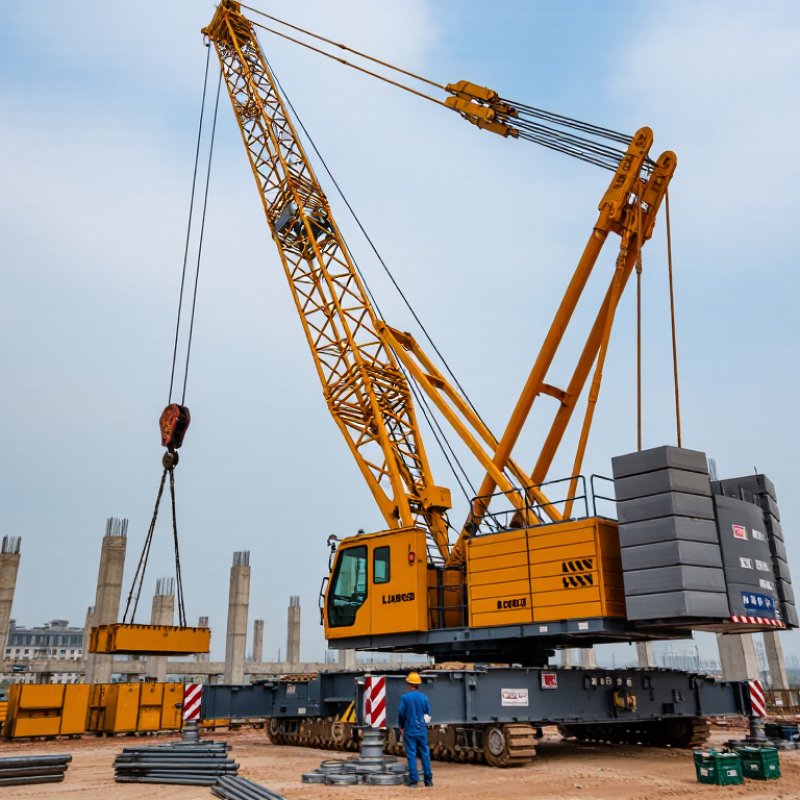
Define your requirements before comparing used tower crane listings. I begin with the building, not the machine. Record the maximum load, lifting radius, hook height, foundation type, and project duration. A 10-ton lift at 20 meters differs greatly from a 2-ton lift at 60 meters. Include slings, spreader beams, and other lifting accessories in the load calculation. Leave a practical safety margin. Do not estimate from memory.
Measure the site carefully. Check ground conditions, access roads, nearby structures, overhead lines, and available assembly space. Confirm the required jib length and whether the crane can work within the site boundary. Power supply matters too. Some projects need a reliable three-phase connection, while others require a properly sized generator. My early mistake was focusing too much on maximum capacity. The crane looked powerful, but its transport and erection needs exceeded our site limits.
Create a written specification for the seller and your inspection team. Request load charts, maintenance records, inspection reports, component serial numbers, and the operating history. Pay close attention to the hoist, slew system, brakes, wire rope, mast sections, and connections. A qualified lifting engineer should review the configuration and local compliance requirements. Independent inspection costs less than discovering damaged steel after delivery. Keep the checklist practical. Requirements can change after a site survey. That is normal, but every change should be recorded.

Choosing the right used tower crane starts with the worksite, not the advertised price. Define the required lifting capacity, maximum radius, hook height, and available foundation area. A compact model may suit urban construction, while a larger unit needs stronger foundations and wider access routes. Check the load chart at the farthest working radius, not only the headline capacity.
Model selection should match both current and planned projects. Compare jib length, tower sections, hoist speed, trolley travel, and electrical requirements. Inspect the serial plate, operating manual, maintenance records, and previous inspection reports. Look closely at pins, bolts, welds, brakes, ropes, limit switches, and turntable bearings. Fresh paint can hide wear. That mistake is easy to make.
Tips: Ask for a live demonstration under controlled conditions. Measure unusual noises and movement, rather than trusting appearance. Confirm spare-part availability and technician support before payment. Have an independent lifting-equipment inspector review the crane and its documents. A low purchase price may become expensive after transport, missing sections, or electrical repairs. I would also leave room in the budget for unexpected work; used equipment rarely arrives perfect.
| Application | Suitable Crane Configuration | Typical Maximum Load | Typical Load at Maximum Jib | Typical Jib Length | Typical Hook Height | Recommended Used-Crane Specification Checks |
|---|---|---|---|---|---|---|
| Low-rise residential construction | Flat-top or hammerhead tower crane with a compact base and short-to-medium jib | 4–8 tonnes | 0.8–1.5 tonnes at approximately 45–60 m | 35–60 m | 25–45 m, subject to site conditions | Check foundation loads, tie-in requirements, trolley condition, hoist brake operation, and availability of short-jib configurations. |
| Urban apartment buildings | Medium-capacity top-slewing crane with variable-frequency drives and multiple climbing sections | 6–12 tonnes | 1.0–2.0 tonnes at approximately 50–65 m | 45–65 m | 40–100 m, depending on external climbing or internal climbing arrangements | Verify climbing-frame compatibility, mast-section straightness, slewing-ring condition, load-moment limiter records, and electrical-control documentation. |
| Commercial buildings and concrete structures | High-capacity tower crane designed for frequent lifting of reinforcement, formwork, steel, and concrete skips | 10–16 tonnes | 1.5–3.0 tonnes at approximately 55–75 m | 50–75 m | 50–120 m | Inspect the main hoist gearbox, wire rope drums, brakes, trolley rollers, hydraulic climbing equipment, and overload-protection calibration. |
| Large infrastructure projects | Heavy-duty tower crane with a reinforced mast, high-capacity hoist, and engineered tie-in system | 16–24 tonnes | 2.0–4.0 tonnes at approximately 60–80 m | 55–80 m | 60–150 m | Confirm engineering calculations for foundation and ties, fatigue history, lifting-cycle records, mast-section certificates, and local regulatory approval. |
| Restricted urban sites | Compact top-slewing crane with a short jib, low-radius tail swing, or temporary foundation arrangement | 4–10 tonnes | 0.7–1.8 tonnes at approximately 30–50 m | 25–50 m | 25–80 m | Measure available swing radius, check counter-jib clearance, verify wind-area limitations, and confirm transport dimensions before purchase. |
| High-rise construction | Climbing tower crane with high mast capacity, frequent tie-ins, and a high-speed hoisting system | 8–20 tonnes | 1.0–3.0 tonnes at approximately 50–70 m | 45–70 m | 150–300 m or more with engineered climbing systems | Review mast-section inventory, climbing-frame inspection results, tie design, hoist motor condition, emergency lowering systems, and wind-speed monitoring equipment. |
| Multiple-crane construction sites | Medium or large tower crane with anti-collision equipment and coordinated operating zones | 6–16 tonnes | 1.0–2.5 tonnes at approximately 50–70 m | 45–70 m | 50–150 m | Check anti-collision system compatibility, slewing limits, radio controls, operator visibility, and documented coordination procedures. |
| General used-crane purchase criteria | Configuration selected according to the approved lift plan rather than rated capacity alone | Use the manufacturer’s exact load chart | Use the manufacturer’s exact radius/load relationship | Confirm actual jib sections supplied | Confirm site-specific climbing and tie-in design | Require serial-number records, service history, inspection certificates, operating manuals, spare-parts information, and a documented third-party inspection before payment. |
Buying a used tower crane starts with its physical condition, not its paint. A fresh coating can hide corrosion around mast joints, welds, and the slewing ring. Check every bolt, pin, ladder, platform, and guardrail. Look for oval holes, cracked welds, oil traces, and uneven gear wear. Wire ropes should have measured diameter loss, broken wires, and visible kinks recorded. I would use a calibrated torque tool and request non-destructive testing where cracks are suspected.
The UK Health and Safety Executive’s Fatal injuries in the workplace 2023/24 report recorded 51 worker deaths in construction. That figure is not tower-crane specific, but it shows why undocumented repairs deserve caution. OSHA 1926.1412 requires documented annual comprehensive inspections for applicable cranes. Compare those records with daily logs, operating hours, overload alarms, weather events, and previous sites. The serial number should match the frame, controller, motors, manuals, and inspection certificates. Missing pages matter.
A credible seller should provide load charts, electrical diagrams, maintenance invoices, and modification approvals. Contact former owners independently when possible. Ask whether the crane suffered a collapse, collision, overload, or long-term outdoor storage. Check mast sections for mismatched galvanizing and fresh welds. Inspect the foundation frame and anchor bolts, too. ISO 9927-1 recommends structured crane inspections by competent personnel. Bring an independent lifting-equipment engineer before payment. I would not rely on photographs alone; even experienced buyers can miss fatigue near hidden joints.
Buying a used tower crane requires more than comparing online prices. Start with the complete cost, including dismantling, spare parts, transport, storage, and installation. A low purchase price can hide expensive repairs. Ask for the serial number, ownership records, operating hours, inspection reports, and maintenance history. Confirm that the load charts match the crane configuration. Missing documents create delays and uncertainty.
I have learned that photographs are useful, but they cannot replace a physical inspection. Check the mast sections for bending, corrosion, cracked welds, and distorted connection points. Inspect the slewing ring, brakes, wire ropes, motors, and control panels. Request recent test results from a qualified inspector. Documentation should also include assembly manuals and electrical diagrams. Translate technical records when necessary. Small translation errors can cause serious confusion during installation.
Tips
Build a written transport plan before payment. Measure every component, note its weight, and verify route restrictions. Confirm lifting equipment, unloading space, foundation details, and qualified installation personnel. Ask who handles permits and local safety checks. Keep a contingency budget for damaged parts or missing bolts. I sometimes underestimate these details, and that mistake can affect the entire schedule. A second independent inspection is worth the extra time.
Indicative budget ranges for evaluating purchase price, documentation, transport, and installation.
These planning ranges are shown in USD for a mid-size used tower crane. Actual costs vary according to lifting capacity, age, condition, configuration, project location, inspection requirements, permits, distance, and local labor rates. Confirm the crane’s technical file, maintenance history, load charts, certificates, transport route, foundation requirements, and installation method before purchase.
Before finalizing a used tower crane purchase, verify every document against the machine itself. Request the original service history, load charts, inspection records, modification approvals, and accident disclosures. Check serial plates, mast sections, pins, bolts, ropes, brakes, limit switches, and electrical cabinets. A clean paint job proves little. OSHA, citing U.S. Bureau of Labor Statistics data, reported 297 crane-related worker deaths from 2011 to 2017. That figure makes documentation a safety control, not paperwork. An independent lifting-equipment engineer should inspect the crane before payment. Require a written report with photographs and measured defects. Do not guess.
Use the purchase contract to define delivery condition, missing parts, testing duties, and rejection rights. Confirm that the crane suits the planned foundation, maximum radius, wind limits, power supply, and local engineering requirements. Commissioning should follow the manufacturer’s instructions and applicable standards, such as ISO 12480-1 or EN 14439. Inspect the foundation and anchor system before erection. Verify each connection, torque value, rope reeving, emergency stop, overload protection, and travel limit. Perform no-load tests first, then controlled load tests with calibrated equipment. Record results, defects, weather conditions, and corrective actions. The HSE construction statistics for Great Britain reported a 2023/24 fatal injury rate of 1.72 per 100,000 workers, reminding buyers that planning failures can become site fatalities. I would also budget for unexpected parts. Used equipment rarely arrives perfect. A rushed handover is a warning sign.