How to Buy a Used Liebherr Tower Crane Guide for Global Buyers?
When considering the purchase of a used Liebherr tower crane, many factors come into play. It's essential to recognize that Liebherr is a reputable brand known for its reliability and efficiency in the heavy machinery industry. These cranes are typically robust and long-lasting, making them a popular choice among construction companies worldwide. However, buying used equipment always requires careful assessment.
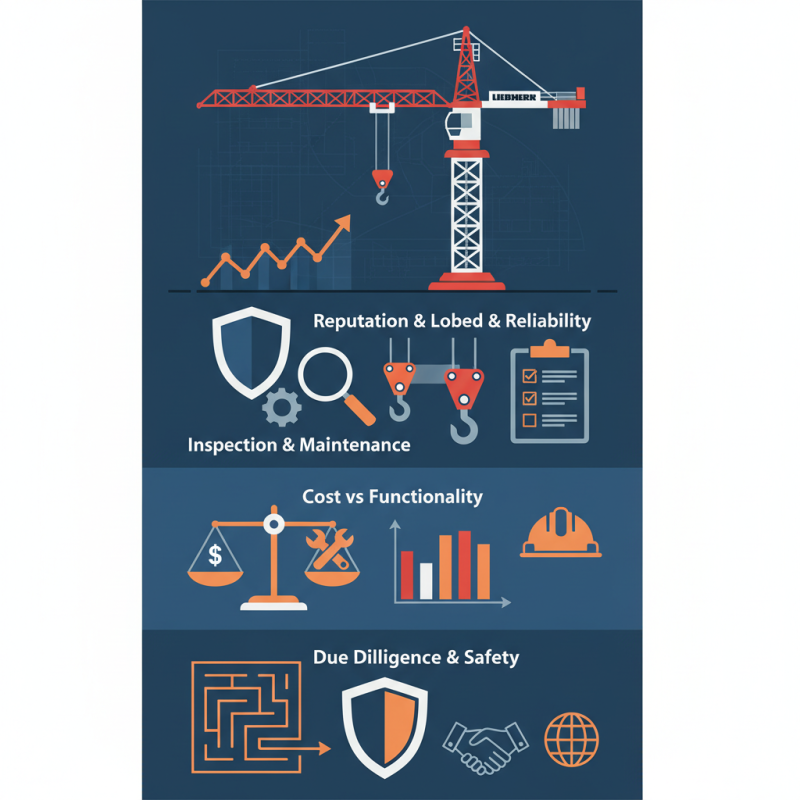
Before finalizing your purchase, inspect the crane’s condition meticulously. Look for signs of wear and tear, especially in the structural components. Don't shy away from asking for maintenance records. Knowing how well the crane was cared for can guide your decision. Remember, a well-maintained used Liebherr tower crane can save you significant costs in the long run. However, if the price is too good to be true, it often is. Ensure you're not compromising safety or quality for a bargain.
Choosing the right crane involves balancing cost with functionality. Weigh the specifications against your project requirements. Consider how each aspect of the crane will serve your needs. A used Liebherr tower crane may present some challenges, but thorough due diligence will serve as your best tool to avoid pitfalls.
Key Considerations Before Purchasing a Used Liebherr Tower Crane
When considering the purchase of a used Liebherr tower crane, several key factors must be evaluated. First, assess the crane's maintenance history. A well-documented service record can indicate how well the crane has been cared for. If documentation is missing, it raises red flags. You may end up with unexpected repair costs.
Next, consider the demand for Liebherr cranes. Industry reports indicate that the global tower crane market is expected to grow by 6% annually until 2027. This suggests that buying a used Liebherr crane could be a smart investment. However, the condition and age of the crane will significantly impact resale value. It’s essential to know how to gauge these aspects accurately.
Finally, verify the crane’s compliance with local safety regulations. Many regions have stringent safety codes governing crane operations. Failing to comply can lead to penalties. Ensure that all necessary certifications are in place before finalizing your purchase. A used crane might be cheaper but can become expensive if it doesn’t meet safety standards.
Used Liebherr Tower Crane Price Comparison by Year
Understanding the Different Models of Liebherr Tower Cranes Available
When considering a used Liebherr tower crane, understanding the various models is essential. Liebherr offers a wide range of cranes, each designed for specific construction needs. Models vary in height, lifting capacity, and design. Some cranes are ideal for urban sites, while others suit large-scale projects. Recognizing your project requirements will help you choose wisely.
Many buyers overlook the specifications detailed in each model. An in-depth analysis of load charts and maximum reach is crucial. For instance, a crane with a lower capacity may struggle on a taller building. Additionally, the age and maintenance of the crane play a vital role. A well-maintained machine often performs reliably, but does it meet current safety standards? Questions about inspections and repairs should never be ignored.
Market variations can affect availability and pricing. What might be a good deal today could change tomorrow. It's challenging to maintain an updated market overview without constant research. Engaging with industry experts can provide deeper insights. Understanding model performance history can guide your selection process, especially when uncertainties arise.
Examining the Condition and Maintenance History of the Crane
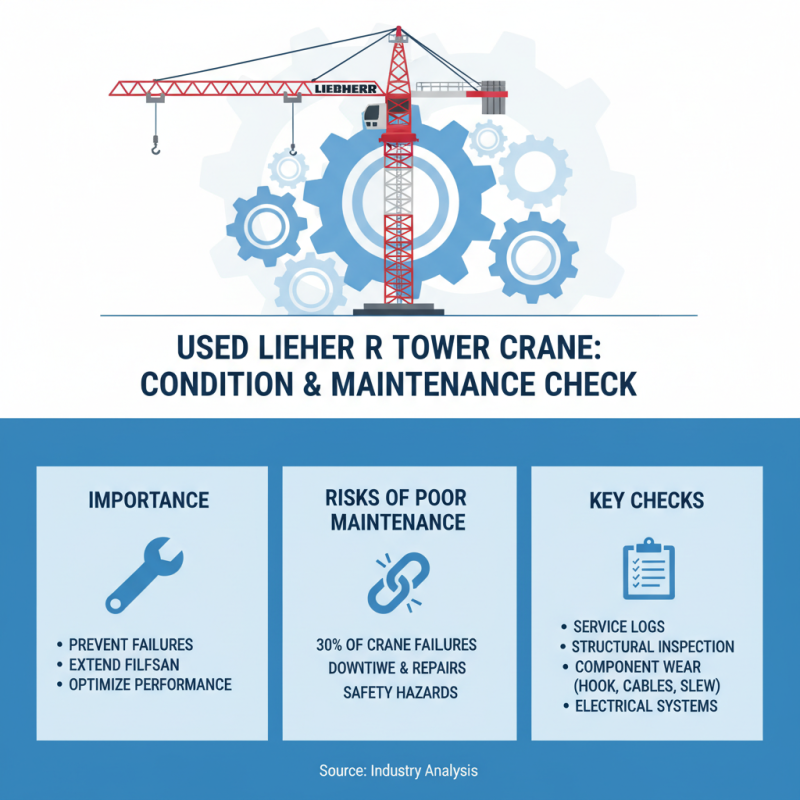
When considering a used Liebherr tower crane, examining its condition and maintenance history is vital. Cranes experience significant wear and tear. An estimated 30% of crane failures are due to inadequate maintenance. A comprehensive review can prevent future operational issues.
Focus on the maintenance logs. Ensure all servicing and inspections are documented. Look for records of both routine and major repairs. Missing documentation could suggest neglect. Reports indicate that cranes with complete maintenance histories are more reliable, reducing breakdown risks by up to 40%.
Tips: Visit the crane's working site. Observe its performance over time. Speak with the operator about any past issues. A firsthand account can reveal insights not found in documents.
Inspect critical components such as the boom, gears, and hydraulics. Check for signs of rust, cracks, or oil leaks. A thorough physical inspection can highlight problems that paperwork might mask. Understanding the crane's history aids in assessing its true value and ensuring operational safety.
Evaluating Price Factors and Budget Planning for Purchase
Budget planning is crucial when considering a used Liebherr tower crane purchase. According to industry reports, the average cost of a used tower crane can range from $50,000 to $200,000. Factors influencing the price include age, condition, and additional features. For instance, cranes that are well-maintained and come with updated technology tend to cost more. Understanding these factors helps buyers set realistic expectations.
Additionally, prospective buyers should assess indirect costs. Transportation, installation, and ongoing maintenance can significantly impact overall expenses. Research suggests that maintenance costs can account for up to 10% of the crane's purchase price annually. This figure underlines the importance of factoring in these hidden expenses. Buyers may overlook these costs during initial budgeting, leading to financial strain later on.
Moreover, negotiation plays a vital role. Sellers often expect buyers to haggle on price. Reports indicate that buyers can save between 5% and 15% by negotiating effectively. Having a clear budget allows buyers to make informed offers while balancing their financial limitations against the tower crane's value. A well-planned budget is essential for making a sound investment in a used crane.
Navigating Legalities and Import Regulations for International Buyers
When navigating the complexities of purchasing a used tower crane, understanding legalities and import regulations is crucial. Buyers must become familiar with international laws. These laws can vary significantly by country. Compliance with safety standards is non-negotiable. Each region has different requirements for operating equipment. Potential buyers should research every import rule in advance.
Documentation plays a key role in any purchase. Sellers must provide clear titles and maintenance records. Buyers must ensure these documents are authentic to avoid future issues. If records are insufficient, it may take longer for customs clearance. Understanding duties and tariffs is also essential. These can impact the overall cost significantly.
Buyers encounter challenges, which require careful consideration. Misunderstandings can lead to delays or extra expenses. It is wise to consult with experienced professionals. They can provide valuable insights into local regulations. Every detail matters when buying internationally. Make sure to verify all information before making a purchase. Being thorough can save time and money in the long run.