How to Buy Used Liebherr Tower Crane for Global Projects?
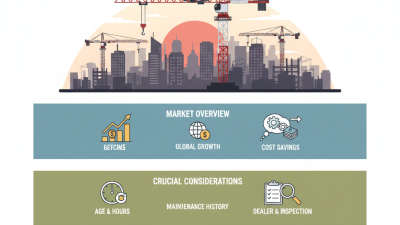
In the construction industry, the demand for reliable equipment is ever-increasing. The global tower crane market is projected to reach USD 5 billion by 2026, with used machinery playing a significant role in this growth. The Used Liebherr Tower Crane stands out due to its robust design and longevity. These cranes have a proven track record in various projects, boosting both efficiency and safety on site.
Investing in a Used Liebherr Tower Crane requires careful consideration. Understanding the machine's history and maintenance records is critical. Reports indicate that over 70% of crane failures are due to improper maintenance. This emphasizes the importance of purchasing from reliable sources. A thorough inspection can reveal potential issues that might not be immediately apparent.
Furthermore, adapting to regional regulations is essential. Each area may have different guidelines governing crane operations. This reality can complicate the buying process. However, the benefits of acquiring a Used Liebherr Tower Crane can outweigh these challenges. With expert guidance, companies can successfully navigate the complexities of the market and optimize their project outcomes.

Understanding the Types of Liebherr Tower Cranes Available for Purchase
When considering the purchase of used Liebherr tower cranes, it's essential to understand the various types available for global projects. Liebherr offers a range of cranes designed for different applications, including flat-top, luffing, and hammerhead configurations. Each type has distinct benefits and limitations, influencing the choice based on the project requirements.
Flat-top cranes are popular for their operational flexibility and height reach. They excel in urban environments where maneuvering space is limited. According to the International Construction Market Survey, the demand for flat-top cranes increased by 15% in urban areas last year. Luffing cranes, on the other hand, are ideal for construction sites with space constraints. They can operate in tight configurations, reducing swing radius concerns.
The hammerhead type is traditionally used for heavy lifting. They feature significant load capacities. However, one drawback is their larger footprint, which may not be suitable for all job sites. Reflecting on these aspects is crucial when selecting a crane. Investing in detailed research and consultation can prevent costly mistakes associated with impractical purchasing decisions. Being aware of the operational environment and specific project needs will aid in making a reliable choice.
How to Buy Used Liebherr Tower Crane for Global Projects?
| Crane Model |
Max Load (ton) |
Max Height (m) |
Max Radius (m) |
Year of Manufacture |
Price (USD) |
| Liebherr 120 EC-B |
10 |
50 |
40 |
2015 |
70,000 |
| Liebherr 150 EC-B |
12 |
55 |
45 |
2014 |
85,000 |
| Liebherr 180 EC-B |
16 |
60 |
50 |
2016 |
100,000 |
| Liebherr 200 EC-B |
20 |
65 |
55 |
2018 |
120,000 |
Evaluating the Condition and Maintenance History of Used Cranes
When considering a used Liebherr tower crane for global projects, evaluating its condition is crucial. Begin with a thorough inspection. Look for signs of wear and tear. Check for corrosion on metal components. Pay attention to mechanical parts such as the hoist and jib. A well-documented service history can indicate how well the crane has been maintained.
Additionally, prioritize cranes that come with maintenance records. These documents reflect the upkeep and repairs performed over the years. A lack of records may signal neglect. Ask about routine checks and past issues. Understanding a crane’s operational history reveals much about its reliability.
It’s also wise to consult with professionals during the evaluation. Their experience offers invaluable insights. They can help identify hidden problems that may not be immediately apparent. Remember, the most appealing price might come with unseen risks. Sometimes, the best deal is not about cost but value and safety.
Condition Evaluation of Used Liebherr Tower Cranes for Global Projects
This chart displays the condition evaluation of used Liebherr tower cranes based on a survey conducted among industry professionals. The categories range from 'Excellent' to 'Poor', indicating the percentage of cranes falling within each condition. A higher percentage signifies better overall maintenance and performance expectations for global projects.
Identifying Reliable Sellers and Dealers for Used Liebherr Cranes
When considering purchasing used Liebherr tower cranes, identifying reliable sellers and dealers is crucial. Start by researching online platforms and forums specializing in construction machinery. Look for reviews and ratings from past customers. Positive feedback can indicate trustworthiness. It’s important to inquire about the seller's experience. How long have they been in business? Lack of transparency may raise red flags.
Once you have potential sellers, ask for their certifications and warranties. Reliable dealers often provide guarantees on the crane's condition and functionality. Inspect the machines thoroughly before buying. Photos can be misleading; an in-person examination is essential. Don’t hesitate to request maintenance records. These documents offer insight into the crane's history. If something feels off, trust your instincts.
Finally, compare prices and services among various dealers. A significant price difference might indicate underlying issues. Engage in discussions to gauge their expertise. Communication is key; a knowledgeable dealer will answer your concerns promptly. Reflect on the overall interaction. If a seller seems evasive or unprofessional, it’s best to walk away. Finding the right dealer takes time but is essential for a successful purchase.
Assessing Transportation and Installation Costs for Global Projects
When buying a used tower crane, it's crucial to assess transportation and installation costs. These factors can greatly influence the total investment. Transportation costs vary based on distance and logistics. Each crane component must be meticulously packed and handled. This ensures that no damage occurs en route to the project site. Unforeseen expenses can pop up if proper planning isn’t executed.
Installation costs also require attention. They fluctuate based on site accessibility and ground conditions. Some locations may pose challenges, necessitating additional equipment or labor. It’s vital to engage experienced professionals who understand the nuances of installation. This can save time and mitigate risks. Planning for contingencies can also lead to efficiency improvements during installation.
Understanding these elements will aid in budgeting accurately. It's essential to gather multiple quotes and analyze each component’s cost. Investing time in a thorough assessment can yield better financial outcomes. Take note of any imperfections in the process, as they may reveal opportunities for improvement.
Negotiating the Best Price and Terms for Your Used Crane Purchase
Negotiating the best price and terms for a used Liebherr tower crane is crucial for ensuring project success in global construction. Market trends show that the demand for used cranes has surged, with a reported increase of 15% in transactions over the past year. This trend highlights the importance of thorough market research before undertaking a purchase. Potential buyers should analyze equipment history, maintenance records, and previous usage to gauge value accurately.
Understanding the key factors in negotiation can minimize costs. Buyers often achieve an average discount of 20% off the initial asking price through effective bargaining. It’s essential to set a budget before starting discussions. Highlighting the need for inspections and warranty periods can strengthen your negotiating position. Flexibility in payment terms can also lead to more favorable agreements, particularly when dealing with individual sellers or small operators.
Many purchasers overlook the potential for refurbishment costs, which can impact overall investment. Asking about spare parts availability, warranties, and previous repairs is essential for assessing long-term reliability. Each negotiation should consider future project demands, as a crane needs to align with upcoming tasks. Balancing price and functionality requires careful thought and planning.