Buying a Yongmao Used Tower Crane can reduce project costs, but the lowest price rarely tells the complete story. Global buyers need evidence, not attractive photographs. A crane standing in a crowded yard may look ready for work. Its hidden history could say otherwise.
Independent lifting-equipment consultant Michael R. Collins offers a practical warning: “A used crane is valuable only when its working history is clear.” This principle shapes the seven deals reviewed in this guide. Each option deserves closer attention, including model year, maximum load, jib length, residual capacity, and previous operating conditions.
Look closely.
A reliable seller should provide maintenance records, inspection reports, serial-number photographs, and clear ownership documentation. Buyers should also confirm whether the crane was used near coastal air, heavy dust, or extreme temperatures. These conditions can affect steel surfaces, electrical cabinets, brakes, and hydraulic components.
The review also considers transport distance, spare-parts access, technician support, and installation requirements. A deal from a nearby warehouse may appear less impressive, yet it could lower shipping delays and commissioning costs. Conversely, an older crane with excellent documentation may outperform a newer machine with uncertain maintenance.
Some judgments remain imperfect. Market prices change quickly, and advertised specifications may require independent verification. That is why this guide avoids treating any Yongmao Used Tower Crane as automatically superior. Instead, it compares practical value, inspection transparency, operating suitability, and long-term support.
For international contractors, the best choice is not simply the cheapest crane. It is the machine whose condition, history, and future service needs can be understood before payment.
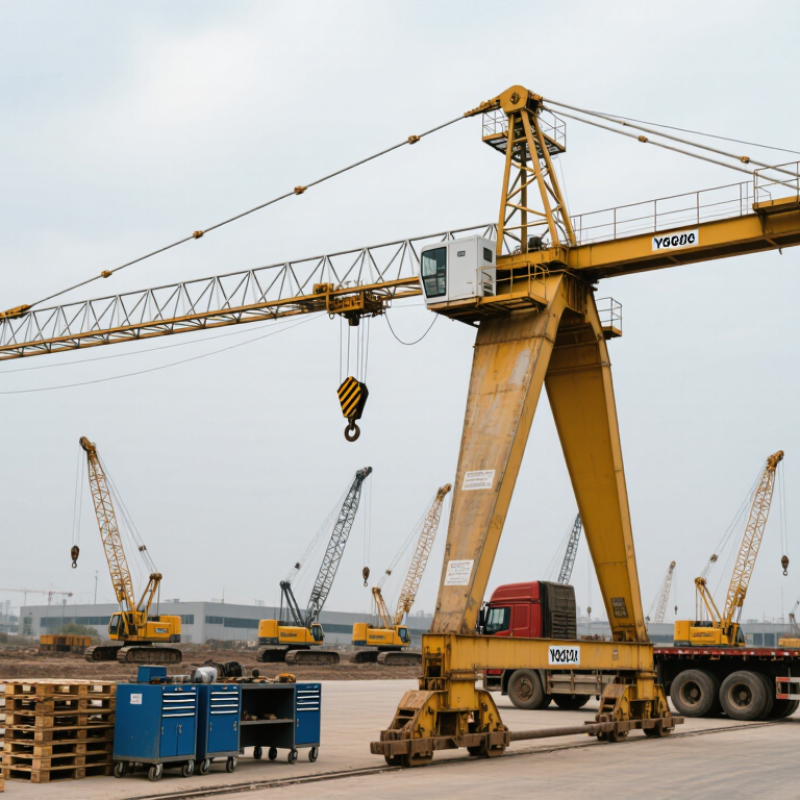
Used tower cranes remain practical for urban construction, industrial plants, and bridge projects. Common configurations include hammerhead, flat-top, and luffing-jib designs. Buyers should compare maximum load, load moment, jib length, lifting height, hoist speed, and mast compatibility. A crane rated at 8 tonnes may lift far less at the jib tip. That detail is often missed.
The Global Construction Perspectives and Oxford Economics report forecasts global construction output to rise 85% by 2037, reaching about 15.7 trillion US dollars. This growth supports demand for cost-controlled lifting equipment. However, age alone does not determine value.
Maintenance records, previous operating hours, corrosion around connections, gearbox noise, and electrical cabinet condition matter more. ISO 9927-1 recommends systematic crane inspections, while ISO 12480-1 addresses safe use and planning. A qualified inspector should verify the load chart and structural history before purchase. Photographs are not enough.
Tips: Request a recent inspection report, full load chart, serial records, and component replacement history. Check whether the mast sections, pins, and foundations match local engineering requirements. Budget for transport, assembly, testing, and possible rewiring. A cheaper crane can become expensive quickly. Buyers should also admit one uncomfortable point: reported service hours may be incomplete. Independent verification is worth the delay.
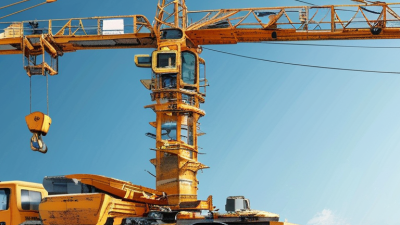
Evaluating the seven best used tower crane deals requires more than comparing advertised prices. I examine each crane’s age, lifting capacity, working radius, service history, and operating hours. A clear serial record matters. So does the original load chart.
I usually request inspection photos before arranging a site visit. I check the mast sections for dents, weld cracks, rust, and uneven paint. The slewing ring deserves special attention. Excessive movement can indicate expensive repairs. I also test the hoist, trolley, brakes, limit switches, and emergency controls with a qualified technician present. Small noises matter. They often reveal hidden wear. An independent inspection report adds useful authority, although it cannot replace practical testing.
The strongest deal balances condition, price, transport, spare parts, and local technical support. I calculate the landed cost, including dismantling, shipping, customs, installation, and certification. A low purchase price may become costly after arrival. Ask whether manuals and maintenance records are complete. Confirm that replacement components remain available. I once placed too much confidence in clean photographs; the machine needed more electrical work than expected. That mistake still influences my review process. Buyers should score all seven offers using the same checklist, then question unclear claims and unrealistic delivery promises. A reliable seller accepts detailed questions and provides evidence, not pressure.
Before buying a used tower crane, start with the paperwork. Check the serial plate, manufacturing year, lifting charts, maintenance logs, and previous inspection reports. Records should match the machine in front of you. Missing pages deserve attention, not excuses.
Walk around the crane in daylight. Inspect mast sections for cracks, bent flanges, heavy corrosion, and distorted bolt holes. Examine welds closely, especially around the tower base, slewing platform, and jib connections. Look for fresh paint hiding repairs. It happens. Check every high-strength bolt for correct markings, damage, and secure fitting. A qualified inspector should verify bolt torque with calibrated equipment.
Operate the crane only under controlled conditions. Listen for abnormal noise from the slewing ring, hoist gearbox, and trolley mechanism. Test brakes, limit switches, emergency stops, overload protection, and cabin controls. Inspect wire ropes for broken wires, flattening, birdcaging, and corrosion. Review the electrical cabinet for moisture, loose terminals, and overheated components. Ask for a documented load test completed under applicable local requirements. If the seller avoids a practical inspection, pause the purchase. I have seen clean-looking machines reveal worn brakes after a short test. That experience changed my checklist. Check the foundation bolts, anchorage design, and transport history too. These details are easy to overlook.
Use this 100-point inspection scorecard to compare used tower crane deals before purchase. Higher-weight categories represent areas that can create greater safety, repair, or ownership risk.
Structural condition and lifting-system performance should receive the greatest attention, followed by documentation, electrical systems, and site suitability. A qualified inspector should verify all findings against the applicable local regulations and the crane manufacturer’s technical requirements.
Comparing seven used tower crane deals requires more than checking the purchase price. A crane listed at US$180,000 may need transport, inspection, repainting, and safety upgrades. These costs can add 15% to 30% before commissioning, based on common refurbishment ranges reported by equipment dealers and rental fleets. The 2024 KHL Global Rental Report valued the worldwide rental market above US$60 billion, showing why rental utilization strongly influences resale prices.
Ownership costs deserve closer attention. Estimate assembly, dismantling, operator training, insurance, storage, and annual inspections. A realistic five-year model should include spare parts and downtime. Even two idle weeks can weaken returns on a project with tight margins. RLB’s 2024 Crane Index shows that tower-crane activity varies sharply between major construction markets, so local demand must support the utilization forecast.
Financing can disguise an expensive deal. Compare the total repayment, not only the monthly installment. A loan with a lower deposit may carry higher interest, arrangement fees, or balloon payments. Ask for a fixed-rate option where possible. Currency risk also matters when revenue and debt use different currencies. I would keep a contingency reserve of at least 10% for unexpected repairs. That may be conservative. It is still safer than assuming perfect operating conditions. A documented inspection, verified service history, and independent valuation provide stronger evidence than a polished sales photograph.
| Deal | Typical Configuration | Manufacturing Age | Maximum Load | Maximum Jib Length | Indicative Purchase Price | Estimated Export Freight | Inspection & Refurbishment Allowance | Estimated Annual Ownership Cost | Example Financing | Best Suited For | Recommended Due Diligence |
|---|---|---|---|---|---|---|---|---|---|---|---|
| Deal 1 | Compact self-erecting tower crane with basic frequency control | 12–16 years | 4–6 tonnes | 40–50 m | US$55,000–85,000 | US$6,000–12,000 | US$8,000–15,000 | US$15,000–25,000 | Approximately US$1,700–2,700/month on a 36-month plan, subject to credit approval | Small residential projects and regional contractors | Check foundation loads, hoist brakes, limit switches, mast straightness and electrical insulation |
| Deal 2 | Medium flat-top tower crane with standard climbing cage | 9–13 years | 6–8 tonnes | 45–55 m | US$95,000–145,000 | US$8,000–16,000 | US$12,000–22,000 | US$22,000–35,000 | Approximately US$3,000–4,600/month on a 36-month plan, excluding taxes and insurance | Mid-rise housing, warehouses and commercial construction | Verify service records, original load chart, trolley ropes, slewing ring condition and spare-parts availability |
| Deal 3 | Heavy-duty flat-top crane with upgraded trolley and modern controls | 7–11 years | 8–10 tonnes | 50–60 m | US$150,000–225,000 | US$10,000–20,000 | US$18,000–30,000 | US$30,000–48,000 | Approximately US$4,700–7,100/month on a 36-month plan with a 30% deposit | Large residential developments and industrial buildings | Conduct a third-party structural inspection and test the rated load at multiple jib positions |
| Deal 4 | Top-slewing crane with luffing or variable-jib configuration | 8–12 years | 8–12 tonnes | 45–55 m | US$210,000–320,000 | US$14,000–28,000 | US$25,000–45,000 | US$40,000–65,000 | Approximately US$6,600–10,100/month on a 36-month plan, depending on interest rate | Dense urban sites with restricted oversailing and limited laydown space | Confirm luffing mechanism wear, wind-load documentation, tie-in design and local permit compatibility |
| Deal 5 | High-capacity hammerhead crane with extended mast package | 6–10 years | 10–16 tonnes | 55–65 m | US$320,000–500,000 | US$18,000–35,000 | US$35,000–60,000 | US$55,000–85,000 | Approximately US$10,100–15,800/month on a 36-month plan with 30% down | Infrastructure, precast, power-plant and heavy industrial projects | Review fatigue history, lifting accessories, mast-section certificates, motor condition and emergency lowering systems |
| Deal 6 | Recent high-capacity crane with remote diagnostics and inverter drives | 4–7 years | 12–18 tonnes | 60–70 m | US$500,000–720,000 | US$25,000–45,000 | US$30,000–55,000 | US$65,000–100,000 | Approximately US$15,800–22,700/month on a 36-month plan, subject to lender terms | Multi-building developments and projects requiring high utilization | Validate controller software, remote-monitoring access, calibration records and remaining design service life |
| Deal 7 | Near-new high-performance crane with full mast, jib and climbing-system package | 2–4 years | 16–24 tonnes | 65–80 m | US$720,000–1,050,000 | US$35,000–65,000 | US$25,000–50,000 | US$85,000–130,000 | Approximately US$22,700–33,100/month on a 36-month plan with a 30% deposit | Major infrastructure, ports, stadiums and high-volume lifting operations | Obtain a complete ownership chain, factory inspection report, insurance history and country-specific certification review |
Buying a used tower crane internationally involves more than comparing prices. The strongest deals include verified operating records, clear ownership documents, and a recent inspection report. Ask for the serial plate, load charts, maintenance history, and photos of every major assembly. Missing paperwork is not a small issue.
Global shipping should be planned before payment. Confirm the packed dimensions, total weight, loading method, and destination port requirements. Reliable sellers provide commercial invoices, packing lists, certificates of origin, and export documents.
They should also explain Incoterms, insurance coverage, and possible port charges. A low offer may become expensive after storage, customs delays, or damaged components.
Installation support can protect both schedule and safety. Look for a supplier offering assembly drawings, foundation loads, commissioning guidance, and access to qualified technicians. Remote support helps, but it may not replace a local engineer.
Buyer support should continue after delivery, with spare-part advice, troubleshooting, and operator training. In practice, response times vary. Confirm them in writing, along with warranty limits and excluded parts.
The best deal is not always the cheapest crane. It is the one with traceable documents, practical logistics, and support that remains available when problems appear.