Top 10 Benefits of Using Tower Cranes on Construction Sites
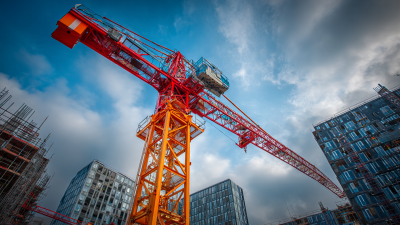
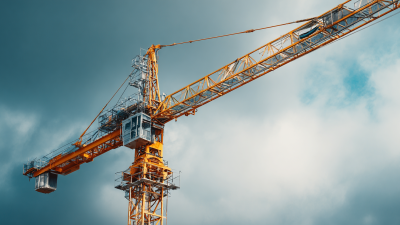
The construction industry continually seeks innovative solutions to enhance efficiency and productivity on job sites, and one of the most significant advancements in this field is the use of tower cranes. Tower cranes have become a staple on construction sites around the world due to their impressive lifting capabilities and versatility. These towering giants are designed to handle a wide array of materials, making them essential for projects ranging from residential buildings to sprawling commercial complexes.

Employing tower cranes not only streamlines the construction process but also helps in maximizing safety and minimizing labor costs. As they can reach great heights and provide an expansive coverage area, tower cranes reduce the need for multiple machines and manual handling, which can be hazardous. In this article, we will explore the top ten benefits of using tower cranes on construction sites, illustrating why they are indispensable tools for modern construction projects and how they contribute to improved efficiency, safety, and overall project success.
Advantages of Tower Cranes in Large Construction Projects
The advantages of tower cranes in large construction projects are becoming increasingly evident as the global tower crane rental market experiences a significant surge. Valued at $16.3 billion in 2024, the market is projected to reach $22.1 billion by 2030, growing at a CAGR of 5.2%. This growth reflects the vital role tower cranes play in efficiently lifting heavy materials and enabling complex construction processes, particularly in densely populated urban areas where space is limited.
One of the standout benefits of using tower cranes is their ability to operate in confined spaces, which is especially advantageous in city constructions. Self-erecting tower cranes are becoming popular for this very reason, as they can be assembled quickly, offering flexibility and overcoming spatial challenges. Furthermore, the integration of advanced technologies, such as remote-controlled operations, enhances safety and efficiency, allowing operators to manage lifting operations from a distance rather than working in cramped, elevated cabs.
These innovations not only optimize construction timelines but also align with sustainability trends, as highlighted by the rapid development of crane battery solutions, reflecting an industry moving towards greener construction practices.
Enhanced Lifting Capacity and Efficiency of Tower Cranes
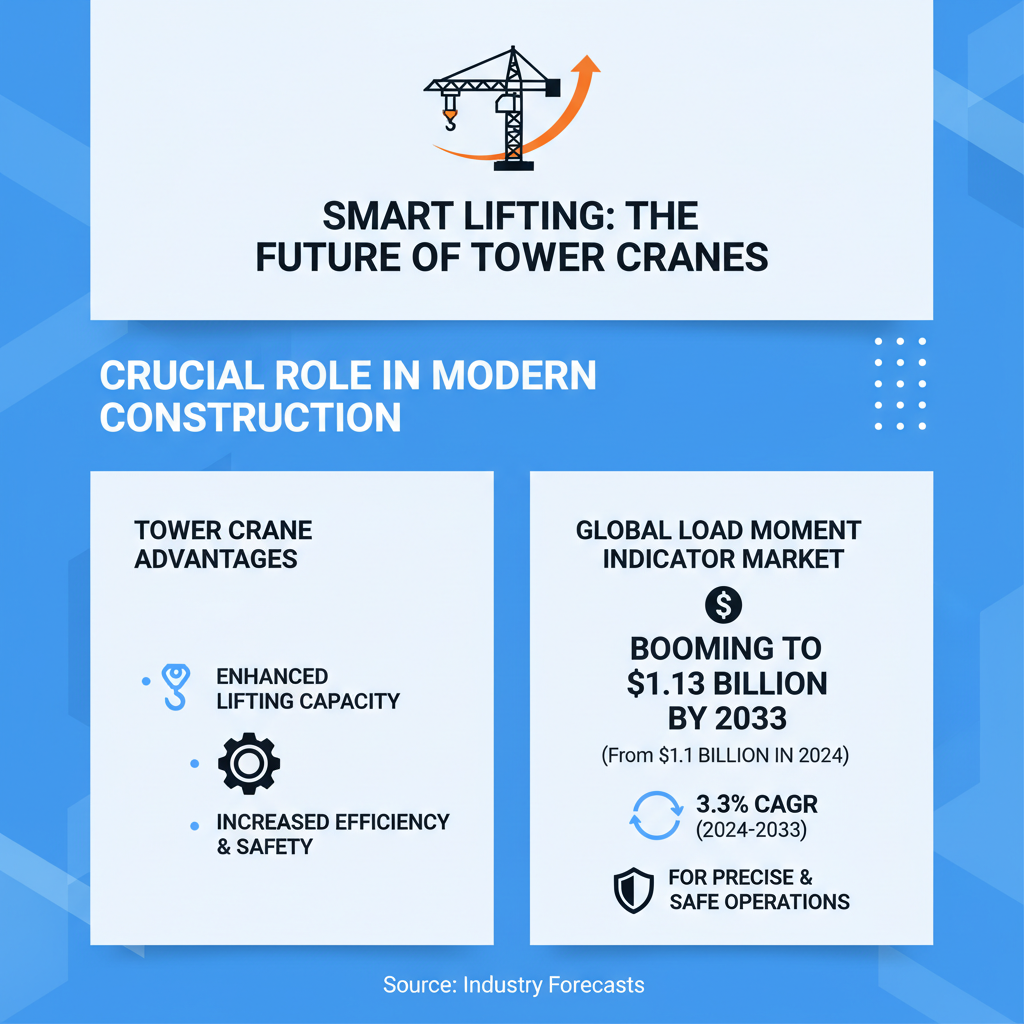
Tower cranes play a crucial role in modern construction environments, particularly due to their enhanced lifting capacity and efficiency. According to industry forecasts, the global market for load moment indicators, essential for managing the lifting capabilities of tower cranes, is projected to reach $1.1 billion by 2024 and expand to $1.13 billion by 2033, reflecting a compound annual growth rate of 3.3%. This growth underscores the increasing reliance on advanced technologies that facilitate precise and safe lifting operations on construction sites.
The integration of innovative solutions, such as automated robotic systems, has revolutionized construction practices, effectively doubling operational efficiency. For instance, projects utilizing advanced technologies have reported significant improvements in construction safety and productivity. In particular, the deployment of smart construction sites powered by 5G not only enhances service efficiency but also enables real-time monitoring and coordination of construction activities, ensuring that resources are used optimally. The strategic use of tower cranes, combined with these cutting-edge technologies, is set to redefine the standards of construction efficiency and safety in the industry.
Improved Safety Features of Tower Cranes at Construction Sites
Tower cranes are equipped with advanced safety features that significantly enhance the safety of construction sites. One of the most notable aspects is their sophisticated load management system, which includes overload sensors and alarms. These technologies help in monitoring the weight being lifted, ensuring that the crane operates within its safe limits. This not only minimizes the risk of equipment failure but also protects workers on the ground from potential accidents caused by falling objects.
Additionally, tower cranes often come with improved visibility for operators. Many models are designed with operator cabins positioned at elevated heights, providing a clear view of the entire construction site. This enhanced visibility allows operators to navigate more safely and spot potential hazards before they escalate into serious incidents. Furthermore, modern tower cranes are frequently equipped with anti-collision systems that prevent them from coming into contact with other cranes and structures. Such features significantly contribute to a safer working environment, making tower cranes an essential asset on construction sites.
Cost-Effectiveness of Using Tower Cranes Compared to Other Equipment
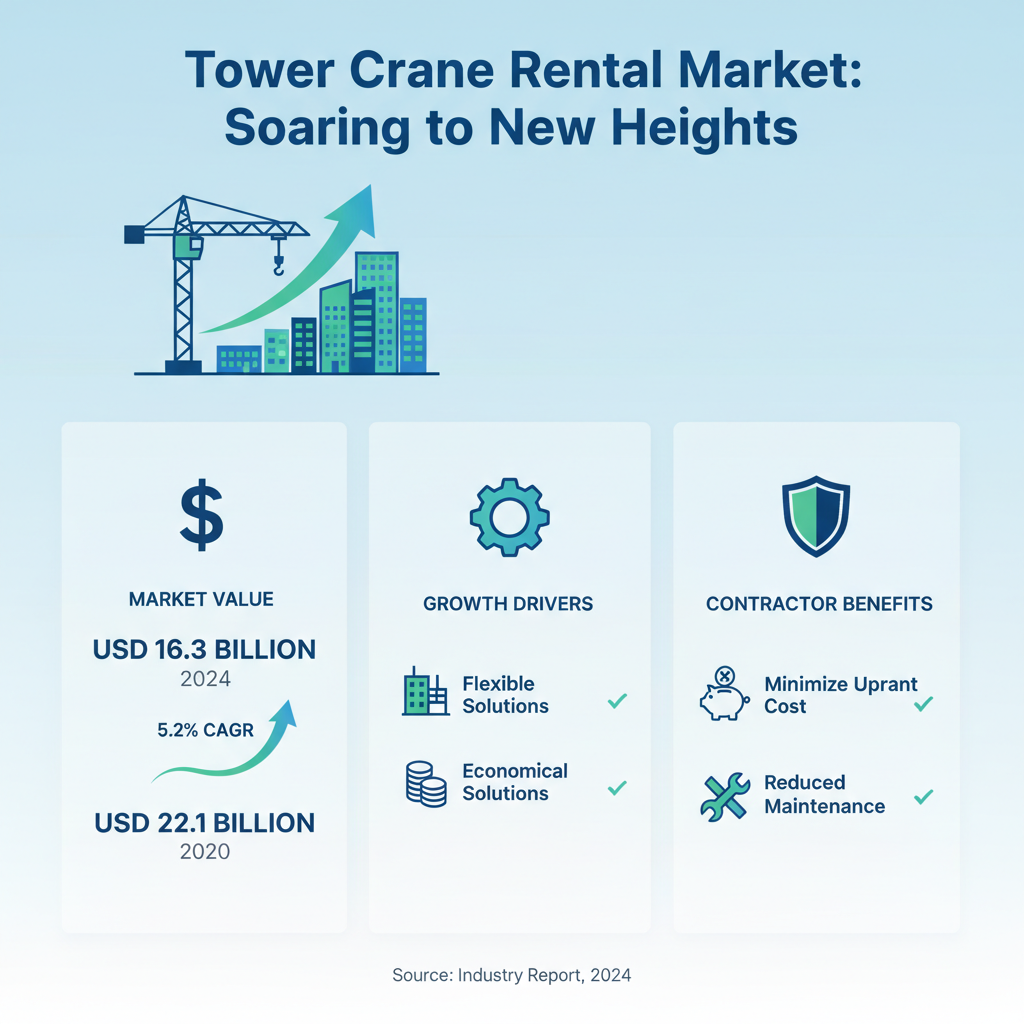
The cost-effectiveness of using tower cranes on construction sites is becoming increasingly apparent as the global market for tower crane rentals gains momentum. Valued at USD 16.3 billion in 2024, it is expected to reach USD 22.1 billion by 2030, reflecting a compound annual growth rate (CAGR) of 5.2%. This growth is largely driven by the rising demand for flexible and economical solutions in the construction industry. Renting tower cranes allows contractors to minimize initial investment and maintenance costs, shifting financial burdens onto rental companies.
Moreover, the trend towards short-term equipment rentals enhances the attractiveness of tower cranes. This flexibility enables construction firms to adapt quickly to project requirements without the long-term commitment associated with purchasing equipment. As contractors increasingly favor rental options, not only do they save money, but they also gain access to the latest technology and equipment, which can significantly improve project efficiency and timelines. Consequently, incorporating tower cranes into construction projects not only provides cost savings but also supports innovation in project execution.
Versatility of Tower Cranes for Various Construction Tasks and Projects
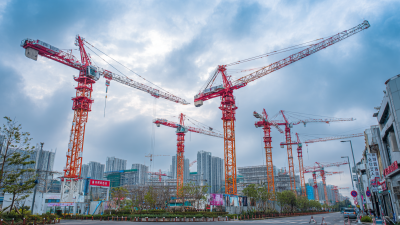
Tower cranes offer significant versatility on construction sites, enabling them to handle a wide range of tasks, from lifting heavy materials to facilitating renovations at height. Their unique design allows for maximum reach and lifting capability, making them essential for large-scale projects like those currently underway in regions such as Xiong'an New Area. As highlighted in recent reports, the concentration of construction efforts in this area showcases the effectiveness of tower cranes in powering through ambitious development goals.
In construction projects across various sectors, especially in infrastructure development, tower cranes improve efficiency by simplifying the process of moving materials. For instance, during the recent highway projects in Hunan province, the presence of tower cranes has been instrumental in enhancing the workflow, allowing multiple teams to collaborate seamlessly. According to industry data, cranes can increase productivity on site by up to 25%, underscoring their value in meeting critical deadlines.
Tips: When selecting a tower crane, consider the specific requirements of your project, including maximum height and load capacity. Regular maintenance and safety checks are crucial to ensure optimal performance and longevity. Additionally, leveraging the expertise of crane operators can significantly enhance operational efficiency and safety on construction sites.