Leave Your Message
Choosing the right Tower Crane in 2026 requires more than comparing lifting capacity or rental price. Global buyers face different urban densities, wind conditions, transport limits, and project schedules. A 12-ton flat-top crane may suit a wide commercial site, while a luffing-jib model may work better beside existing buildings. Self-erecting cranes can support smaller projects with less ground preparation. The site decides more than the brochure.
Industry data supports this cautious approach. Fortune Business Insights and Mordor Intelligence both project continued growth in the global tower crane market, driven by urban housing, infrastructure investment, and high-rise construction. KHL Group’s Yellow Table also shows sustained worldwide demand for major construction equipment, although it does not isolate every tower crane category. These reports indicate opportunity, not certainty. Regional demand can shift quickly when financing costs, material prices, or public projects change.
This guide compares the best Tower Crane types for global buyers in 2026. It examines lifting range, jib configuration, climbing systems, assembly needs, energy use, and maintenance access. It also considers standards such as EN 14439 and ASME B30.3, alongside local inspection requirements. A crane that performs well in Dubai may need different wind planning in coastal Europe or Southeast Asia. Small details matter: foundation pressure, anchoring intervals, operator visibility, and spare-part delivery time.
There is no universal winner. That is the uncomfortable part. Buyers should verify manufacturer data, request project references, and involve qualified lifting engineers before purchasing. Market reports provide direction, but real site experience exposes the gaps.
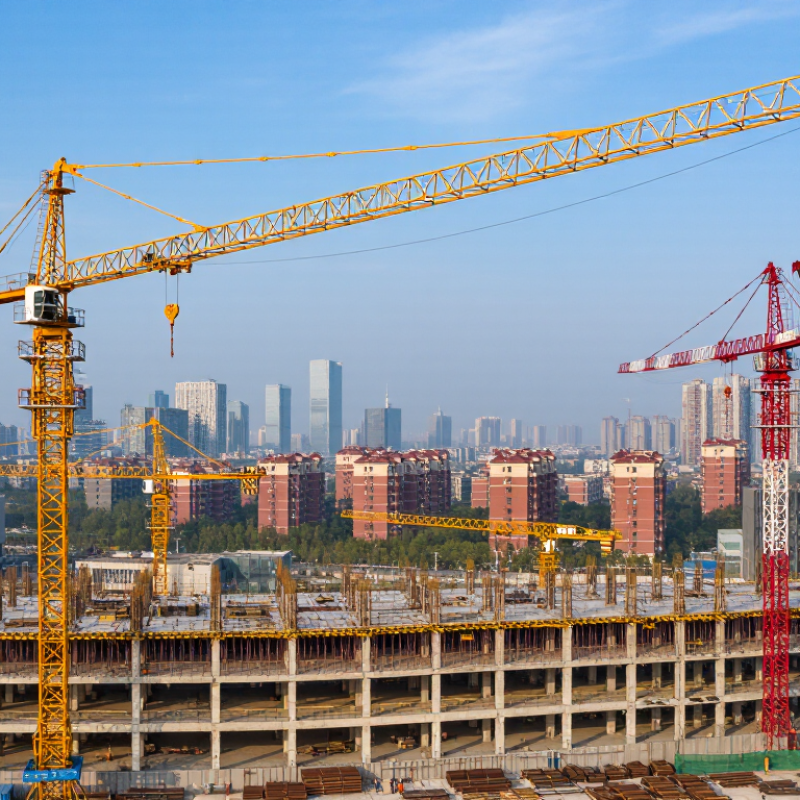
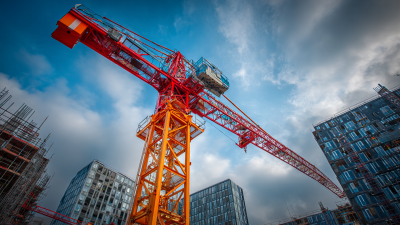
A tower crane is a fixed lifting machine with a vertical mast, slewing platform, horizontal or luffing jib, and counter-jib. It moves steel, formwork, concrete buckets, and façade units across a construction site. The type selected affects lifting radius, ground space, assembly time, wind exposure, and project cost.
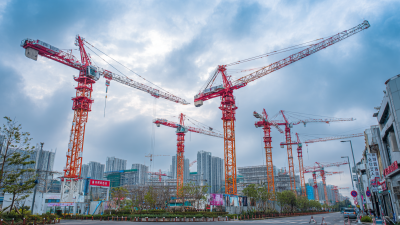
Hammerhead cranes suit open sites with long, predictable lifting paths. Flat-top models simplify transport and assembly, especially where several cranes must work together. Luffing-jib cranes are better for dense cities, narrow plots, and overlapping airspace. Their jibs can raise steeply, but operators need more planning and slower positioning. Self-erecting cranes may fit small residential projects, although their capacity and height are limited. CTBUH reported 128 completed buildings over 200 metres worldwide in 2023, showing why high-rise lifting systems remain important. However, urban demand does not make one crane type universally correct. A neat spreadsheet can still mislead.
Tips: Match the crane to the heaviest load, not the average load. Check radius at maximum capacity. Review wind limits, foundation pressure, delivery access, and local inspection requirements. Use load charts from qualified engineers. The International Labour Organization identifies construction as a high-risk sector, so lifting plans should include exclusion zones and clear communication. Experience matters here. A few metres of missed radius can change the entire site layout. Market reports also forecast continued tower crane growth, but projections vary widely. Treat them as planning signals, not promises.
| Tower Crane Type | How It Works | Typical Maximum Load | Typical Jib / Working Radius | Typical Freestanding Height | Main Advantages | Key Limitations | Best-Fit Applications |
|---|---|---|---|---|---|---|---|
| Flat-Top Tower Crane Top-slewingFixed or climbing |
A horizontal jib rotates around a vertical tower. The jib has no overhead tie bars, making it suitable for sites where several cranes must work at different elevations. | Approximately 4–20 tonnes, depending on model and configuration. | Approximately 30–80 m. | Approximately 30–70 m before building ties or other stability systems are required. | Simple jib geometry; efficient for multi-crane layouts; easier transport and assembly than many tie-bar designs; good visibility and standard operating procedures. | Requires a clear slewing envelope; the jib may need to be out of service or aligned according to site wind procedures; less suitable for tight urban sites with obstacles. | Residential towers, commercial buildings, industrial facilities, warehouses, and large open construction sites. |
| Hammerhead Tower Crane Top-slewingHorizontal jib |
A horizontal jib is supported by a tower-head assembly with a trolley that travels along the underside of the jib to position the load. | Approximately 4–25 tonnes, with the highest capacity normally available close to the tower. | Approximately 30–80 m. | Approximately 35–75 m before additional ties are normally considered. | Strong lifting performance; predictable horizontal load travel; suitable for repetitive lifting cycles and heavy structural materials. | Overhead components can create interference between adjacent cranes; requires careful coordination of slewing zones and working heights. | High-rise construction, precast concrete handling, steel erection, infrastructure projects, and large material-lifting programs. |
| Luffing-Jib Tower Crane Variable jib angleUrban sites |
The jib pivots upward and downward around a hinge near the tower head, allowing the working radius to be reduced when the crane is not lifting or when space is restricted. | Approximately 5–32 tonnes. | Approximately 25–65 m, with the radius reduced by raising the jib. | Approximately 40–100 m with suitable building ties and engineering review. | Excellent control of oversailing; suitable for dense cities, narrow plots, neighboring buildings, and multiple cranes operating at different levels. | Higher purchase, transport, assembly, and maintenance complexity; slower radius adjustment than trolleying; requires trained operators and precise setup. | Dense urban construction, city-center high-rises, restricted sites, projects near airports or roads, and sites with strict air-right limitations. |
| Self-Erecting Tower Crane Mobile setupLow-to-medium rise |
A compact crane folds or telescopes into a transportable unit and erects itself using hydraulic or mechanical systems, usually without a separate mobile crane. | Approximately 1–8 tonnes. | Approximately 20–45 m. | Approximately 15–35 m, depending on the model and whether the crane is tied or supported. | Fast deployment; low assembly requirements; economical for short-duration projects; can be relocated more easily than conventional top-slewing cranes. | Lower capacity and height than large tower cranes; limited suitability for very tall buildings or heavy precast elements; ground access and setup space are still required. | Low-rise housing, agricultural buildings, small commercial projects, renovation work, and repetitive short-term lifting operations. |
| Telescopic Tower Crane Telescoping mastRapid setup |
A telescoping mast allows the crane to reach operating height through hydraulic or mechanical extension, often reducing the need for conventional mast-section assembly. | Approximately 2–10 tonnes. | Approximately 20–50 m. | Approximately 20–40 m, depending on the configuration and foundation system. | Rapid height adjustment; useful where installation time is limited; compact logistics compared with some conventional tower-crane arrangements. | Usually lower capacity and maximum height than large climbing tower cranes; availability and service support may vary by market. | Low- and medium-rise buildings, temporary works, maintenance projects, and sites requiring frequent changes in operating height. |
| Climbing Tower Crane Internal or external climbingHigh-rise |
The crane increases its working height by adding mast sections or using a climbing frame. It may be anchored externally to the structure or installed inside the building core. | Approximately 8–40 tonnes, depending on the base crane and lifting configuration. | Approximately 40–85 m. | Designed for substantial building heights; final height is determined by mast sections, ties, climbing system, and structural engineering. | Efficient for tall structures; maintains lifting coverage as the building rises; can be configured for internal core climbing or external climbing. | Requires detailed structural checks, tie planning, climbing operations, and coordination with the building sequence; higher project-management demands. | High-rise residential and commercial towers, bridge pylons, industrial plants, and major infrastructure projects. |
| Selection Dimension | What to Check | Why It Matters | Suitable Type Tendencies |
|---|---|---|---|
| Required load and load radius | Heaviest load, load frequency, maximum radius, and required capacity at the far end of the jib. | Rated maximum capacity is normally available only near the tower; capacity decreases as radius increases. | Hammerhead, flat-top, or climbing cranes for repetitive heavy lifting; luffing-jib cranes for constrained radii. |
| Building height and construction sequence | Final hook height, required free-standing height, tie locations, climbing stages, and dismantling plan. | The crane must remain stable and productive throughout the project, not only during initial installation. | Climbing tower cranes for high-rise work; self-erecting cranes for low- and medium-rise projects. |
| Available site area | Foundation footprint, delivery access, assembly space, counter-jib clearance, and dismantling access. | Restricted logistics can make a technically suitable crane impractical or expensive to install. | Luffing-jib and self-erecting cranes for restricted sites; flat-top cranes for open sites. |
| Oversailing and neighboring property | Air-right restrictions, roads, railways, occupied buildings, and required anti-collision controls. | Horizontal jibs may pass over areas outside the worksite unless the operating envelope is controlled. | Luffing-jib cranes are generally preferred where oversailing must be minimized. |
| Wind and environmental conditions | Regional wind speed, coastal exposure, temperature, lightning, seismic conditions, and local lifting rules. | Wind affects operating limits, out-of-service positioning, structural stability, and foundation design. | Any type may be suitable after engineering verification; luffing-jib systems can help reduce the working envelope. |
| Transport, assembly, and service support | Road transport limits, spare-part availability, qualified technicians, operator training, and inspection requirements. | Availability and lifecycle support directly affect installation time, uptime, and total cost of ownership. | Self-erecting cranes for rapid deployment; standardized flat-top or hammerhead systems where long-term support is available. |